They were children when the Germans came, and children still when the sky over their farms filled with American parachutes. Eighty-two years later, the last of them are handing what they saw to their grandchildren, a Dutch village still treats the memory as a duty, and one unlikely peace-maker asks the question that turns remembrance into responsibility: if we let the peace they died for slip away, what was it for?
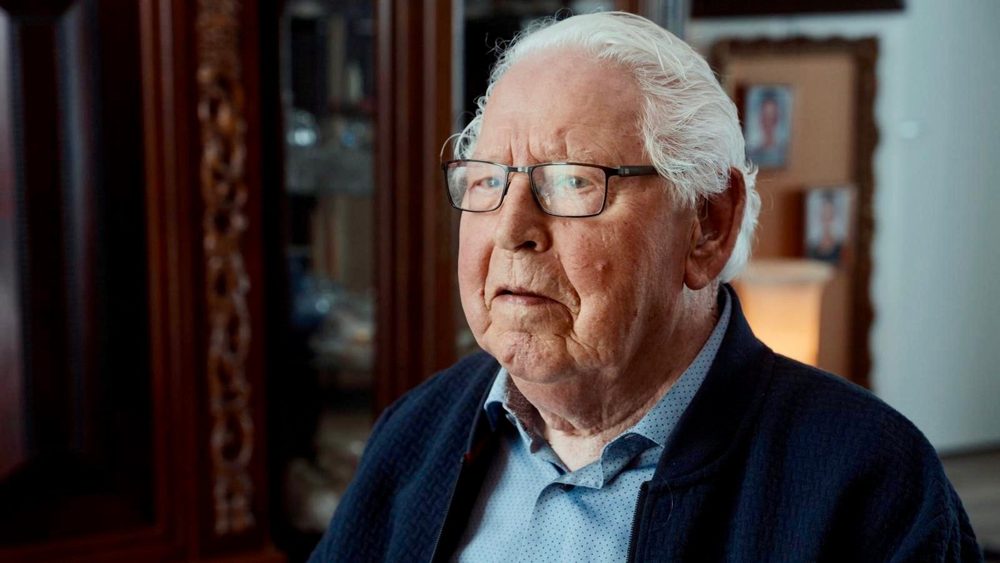
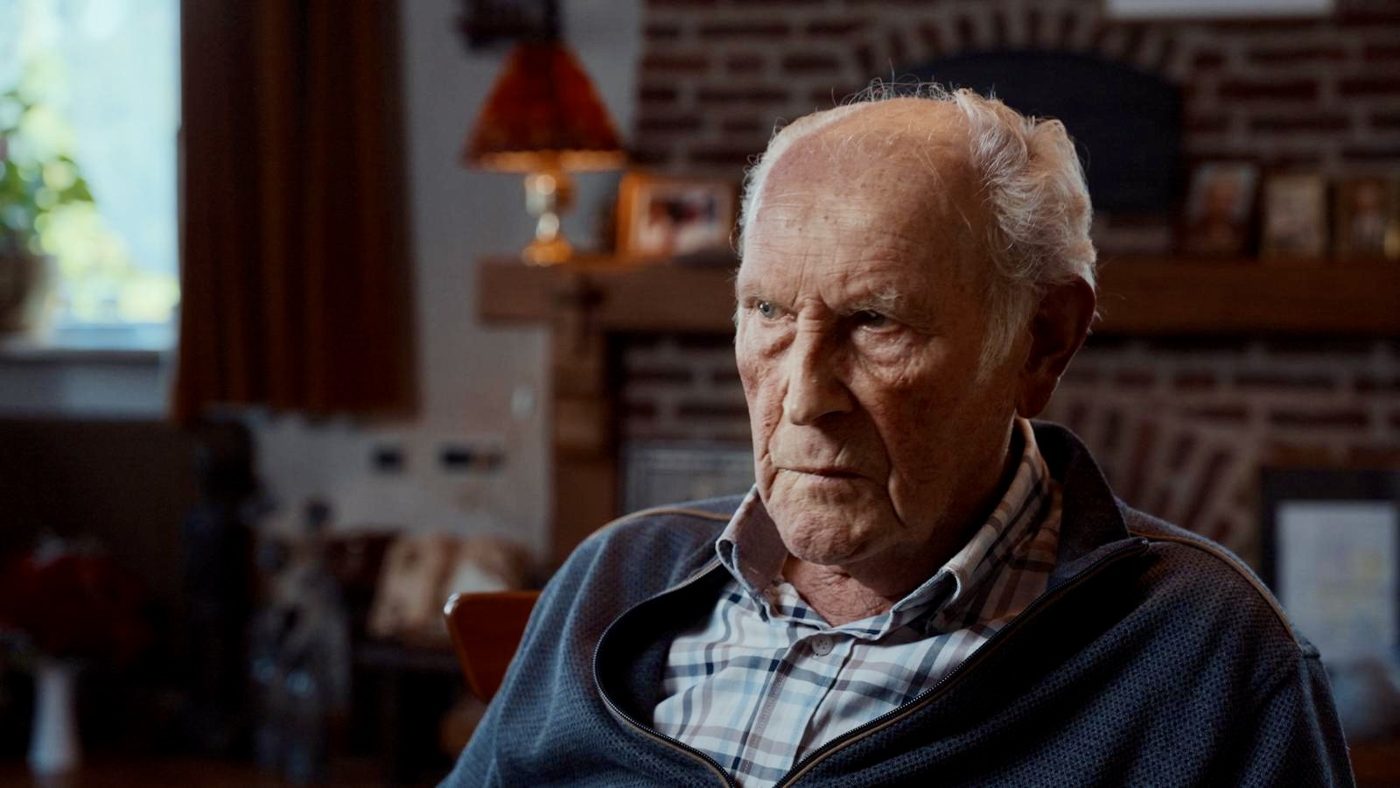
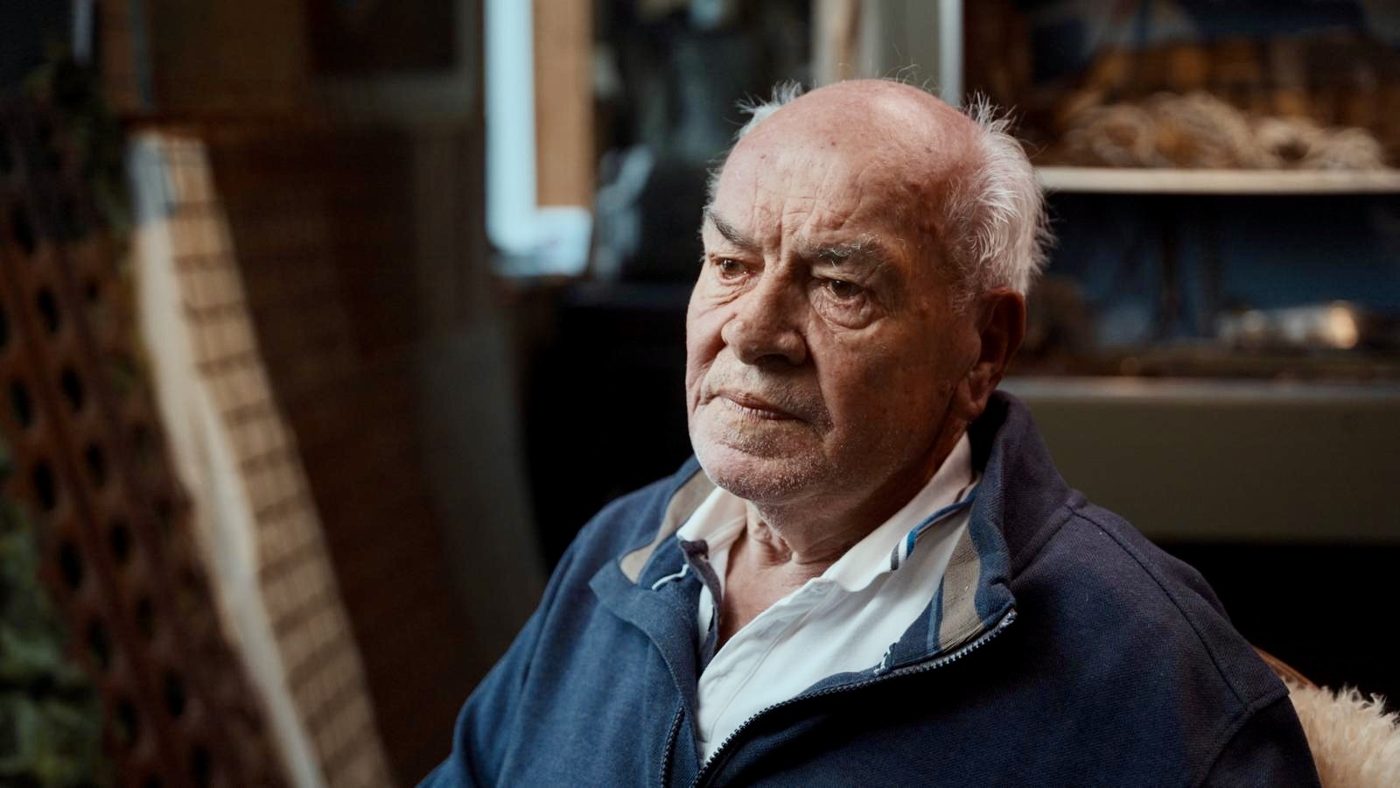
The last who saw it


The film
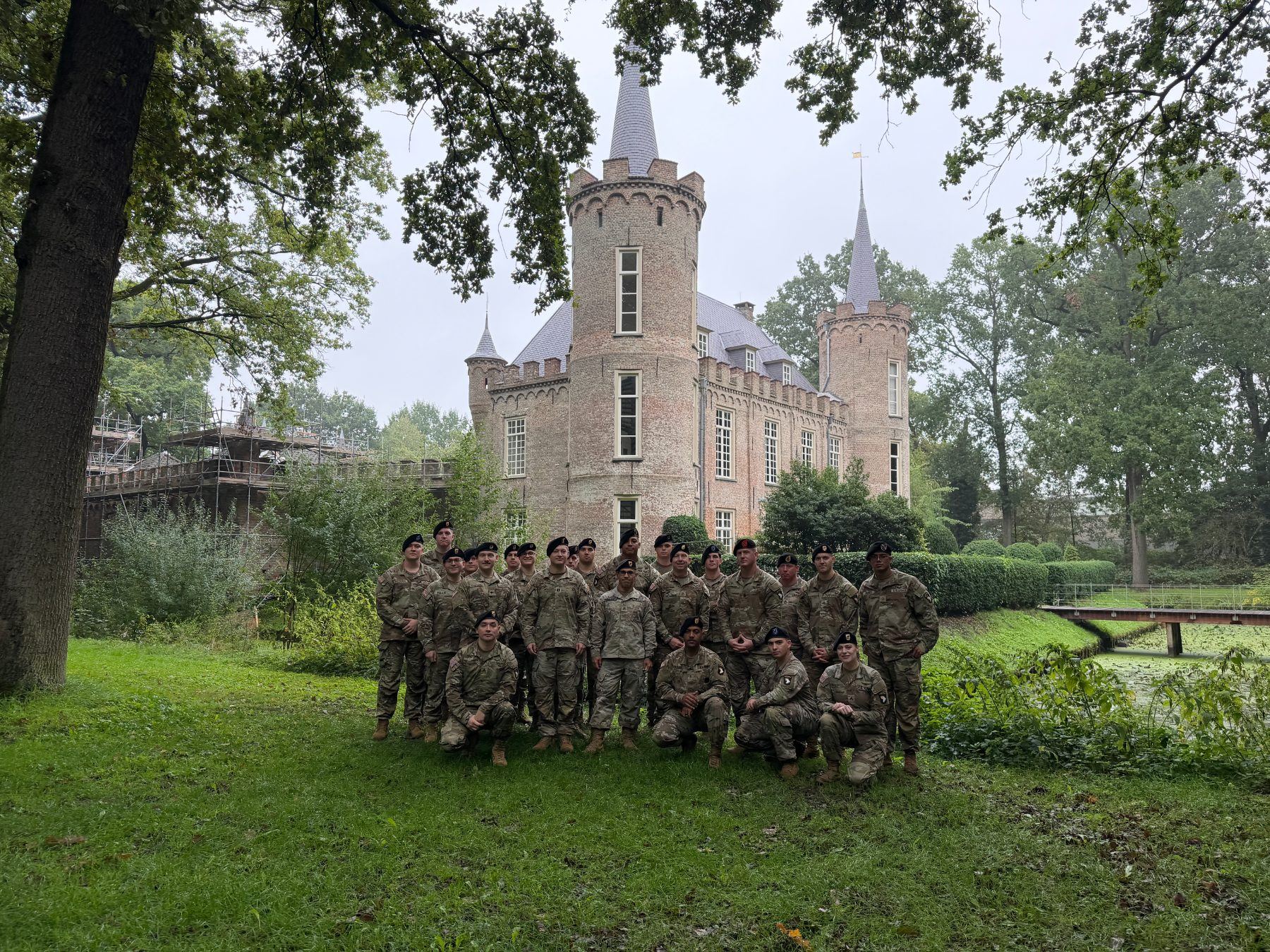
In September 1944, American paratroopers of the 101st Airborne dropped into the fields of Noord-Brabant to hold open a single road north. Eighty-two years later, the villages along that road still turn out every September to thank them. They hold ceremonies at windmills and monuments, line the roads for convoys, and send their children to meet the young soldiers who wear the same patch today.
So They Might Live Free asks why they do it, how they pass that duty to the next generation, and what that remembrance asks of all of us now: to protect the peace, and the friendship between our nations, that those young men died to give them.
And time is short. The people who lived through the liberation are now in their late eighties and nineties. Within a few years this history will only be told secondhand. This film records it while it can still be told by those who were there.
Remembering is not the end of the duty. Keeping the peace is.
The film's closing question

A Dutch resistance code during the occupation, when the national colors and the House of Orange were suppressed. The film starts there, with shelters, hidden strangers, hunger and fear. Americans tend to arrive at this history at the moment of liberation. The gratitude only makes sense once you have felt what came before it.
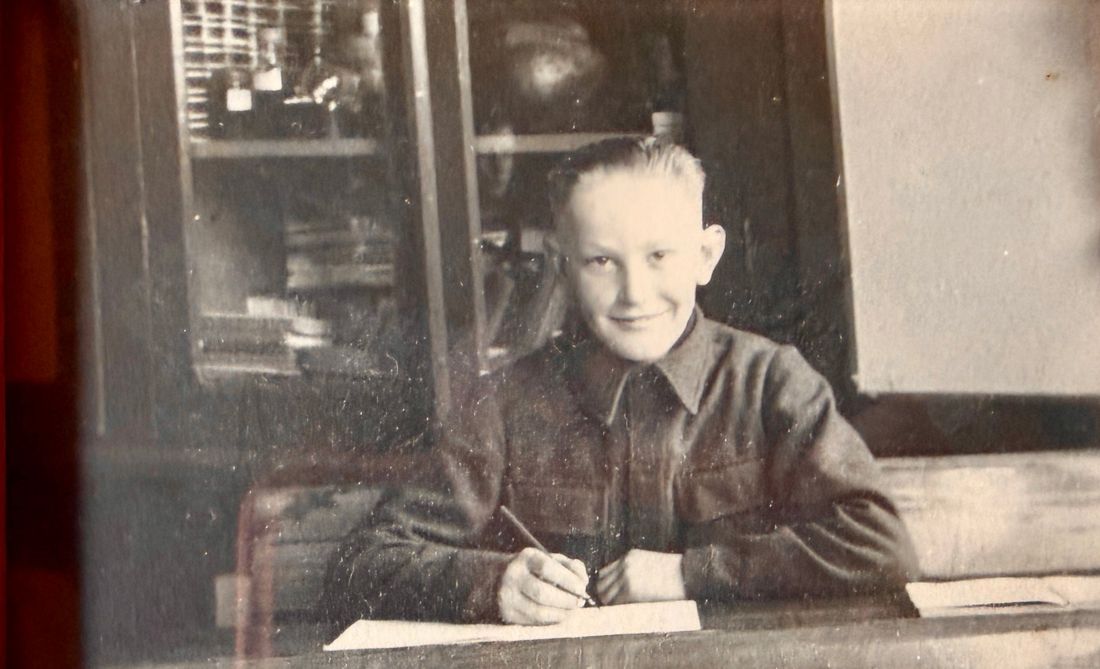
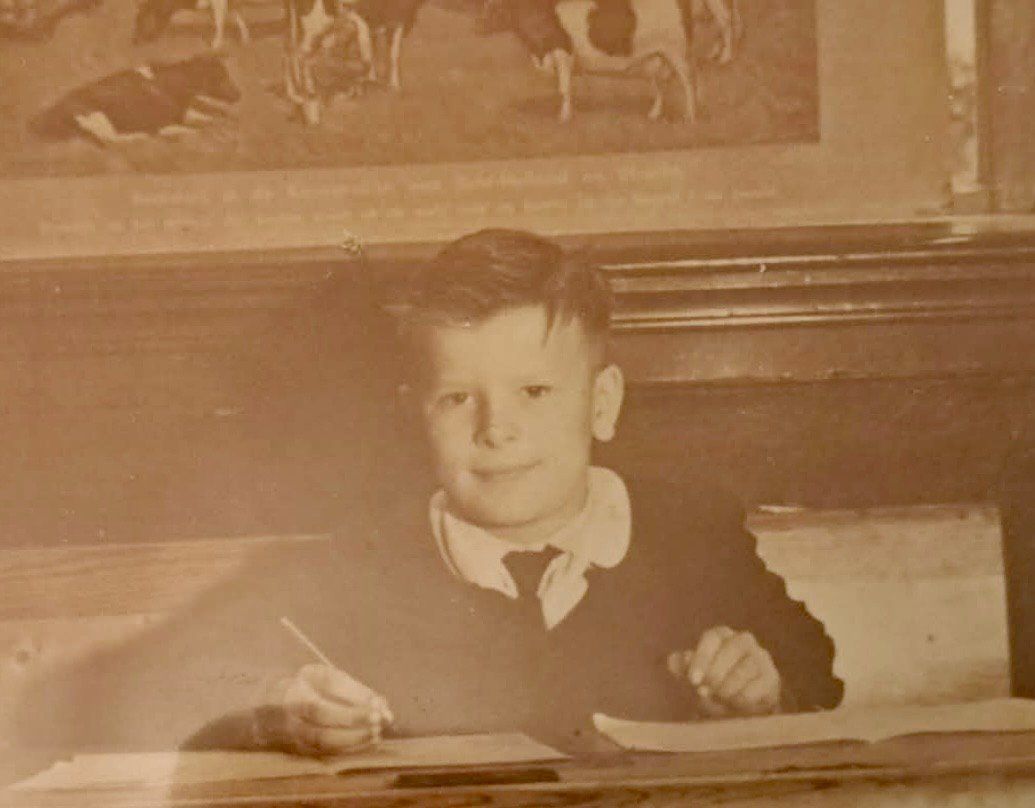
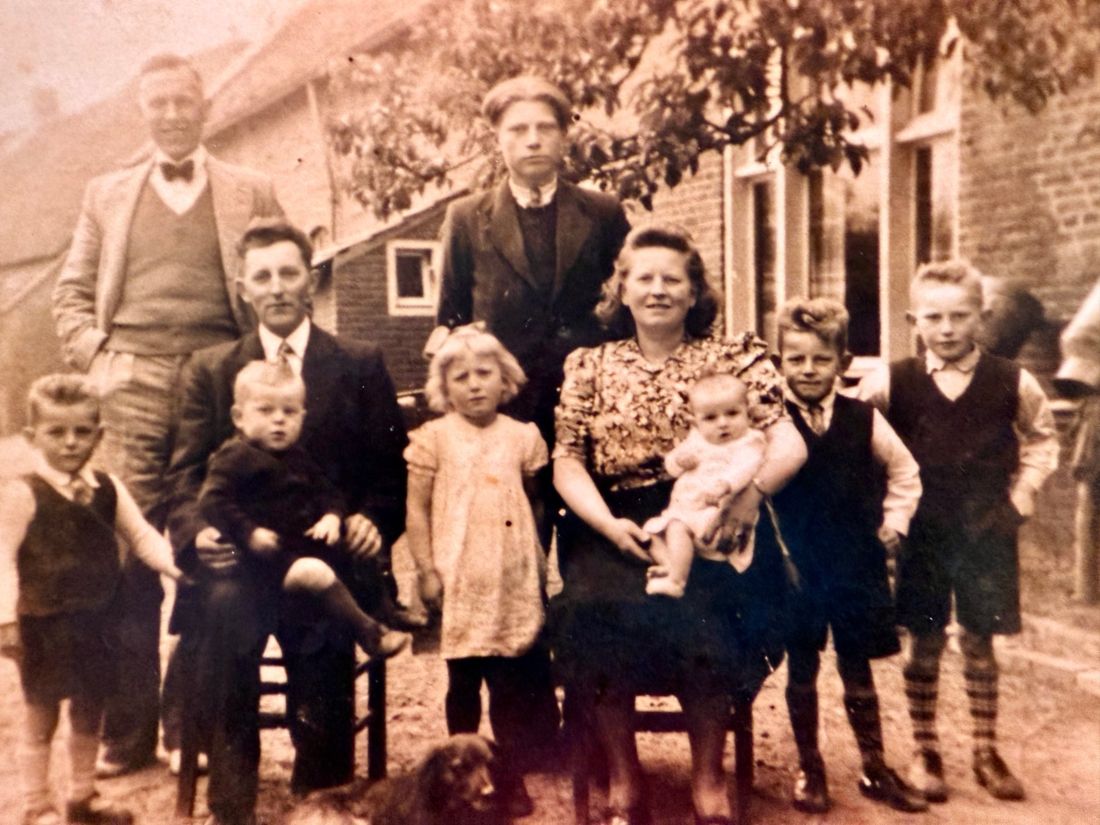
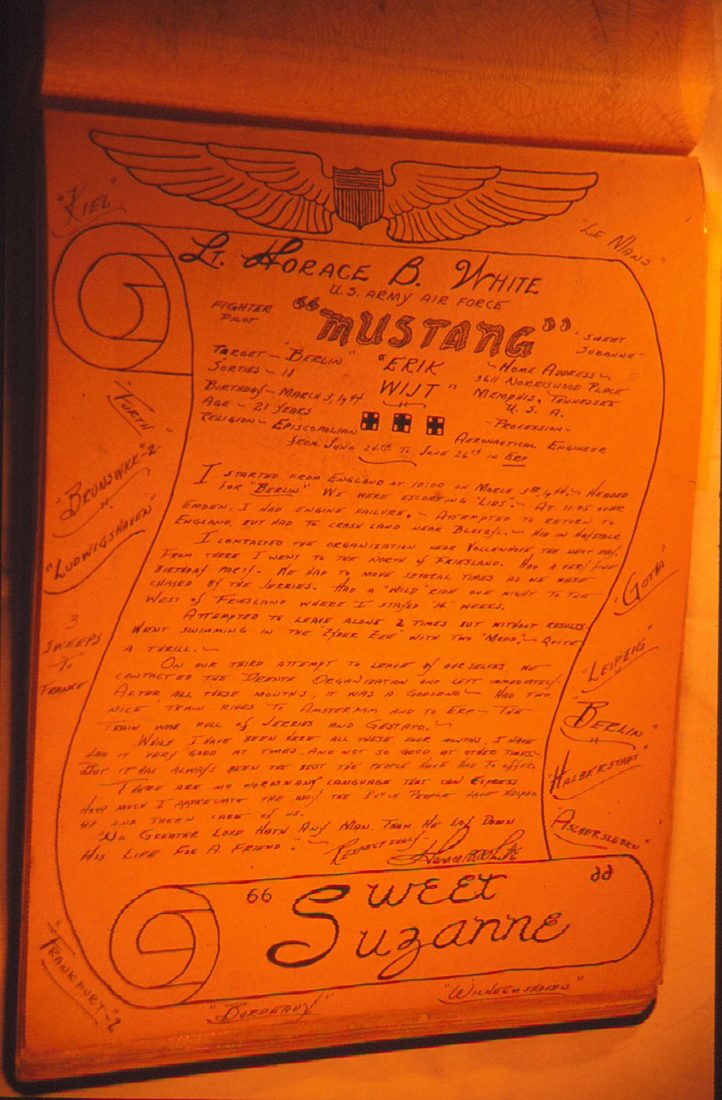
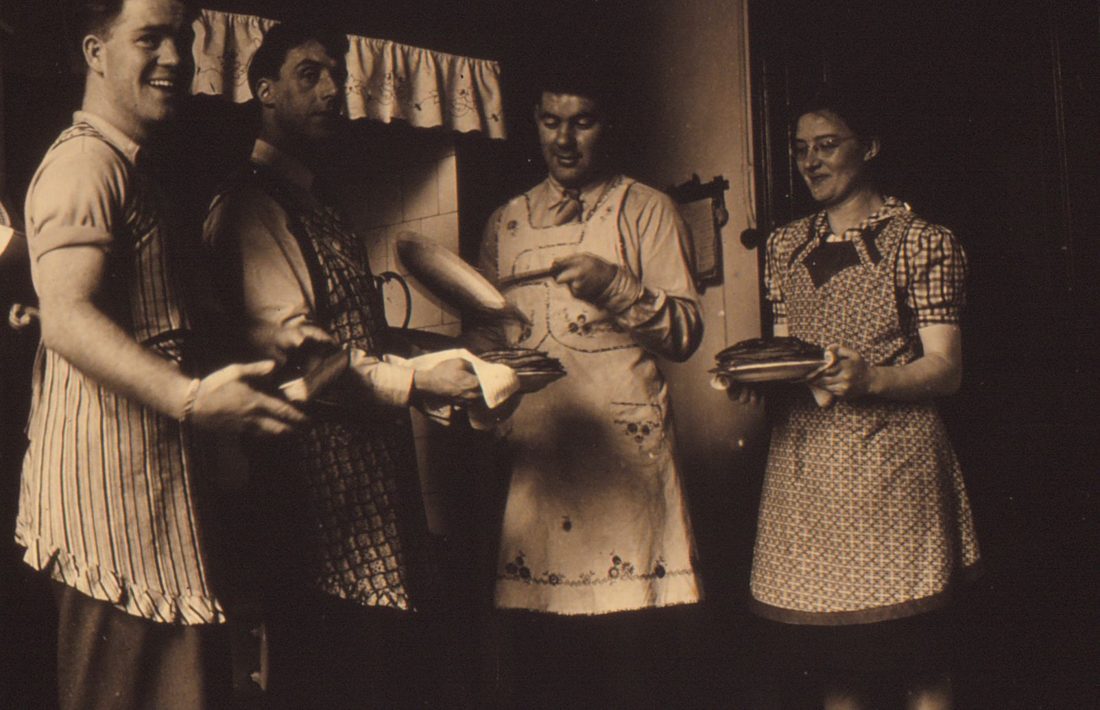
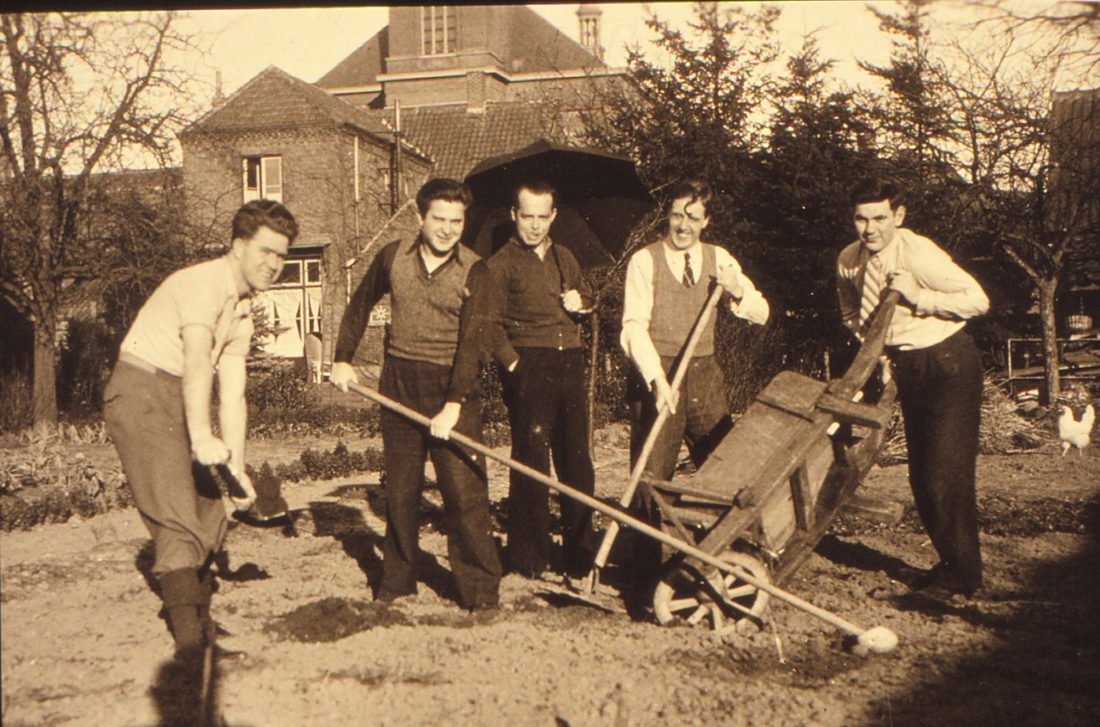
From the family albums
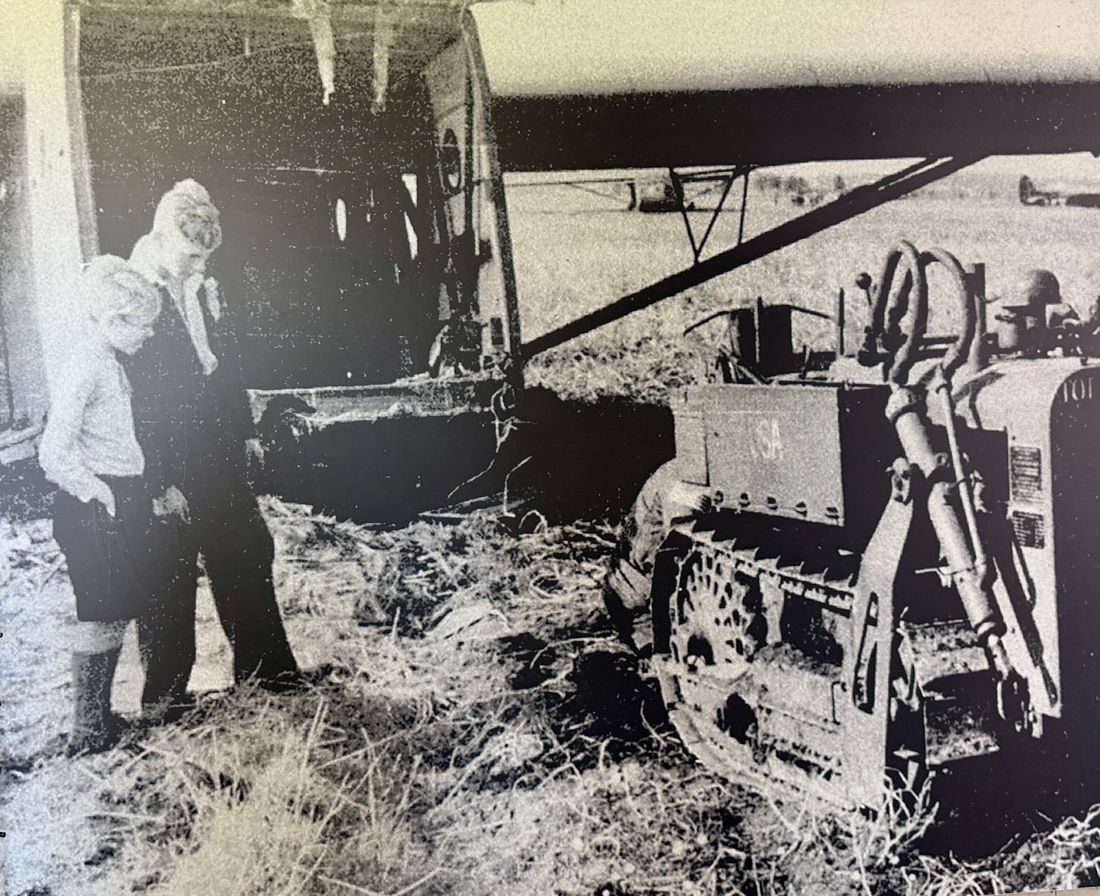
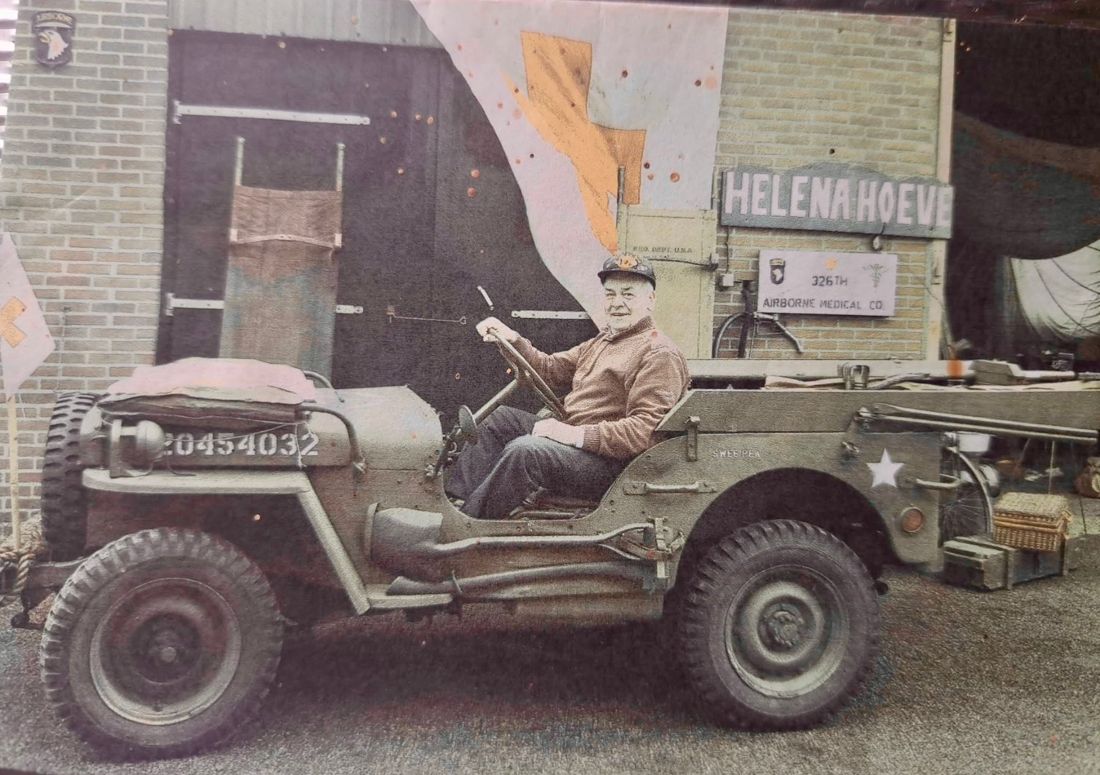
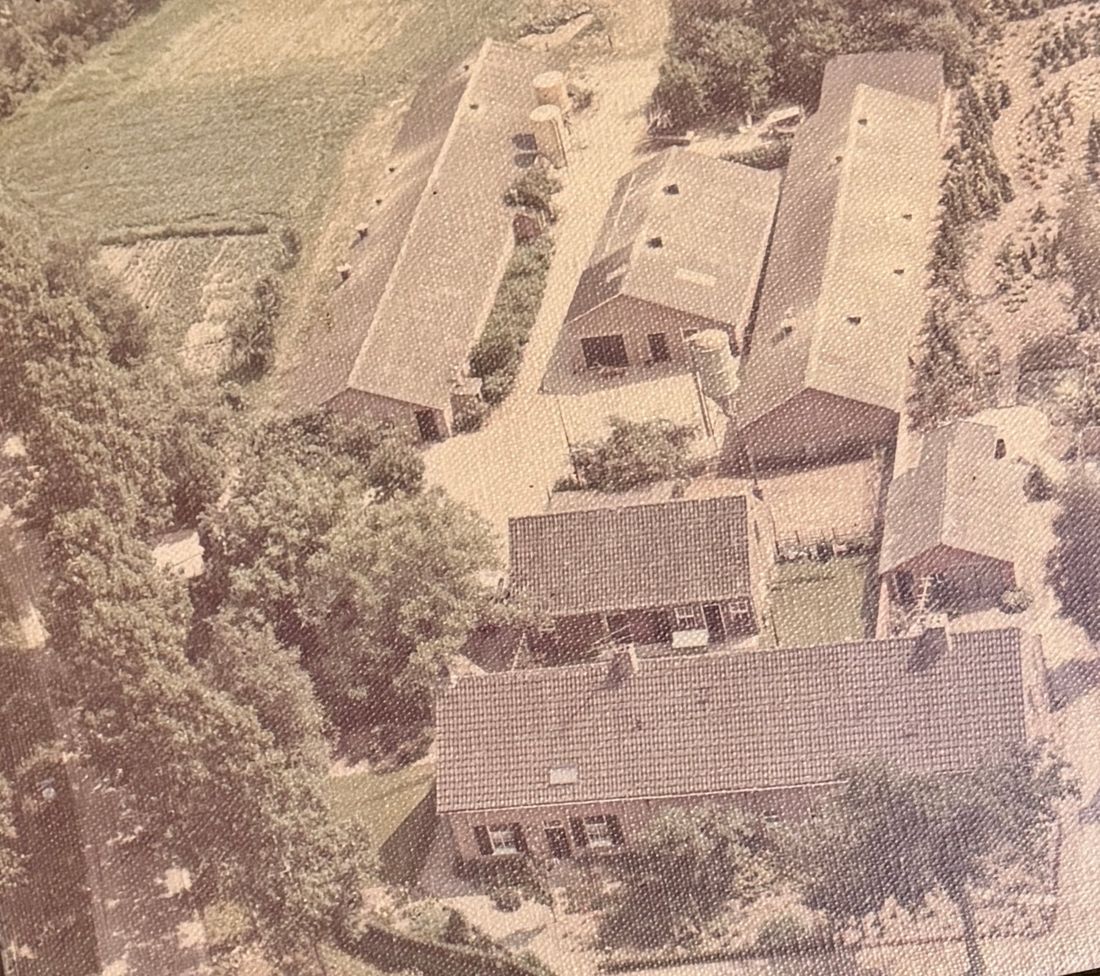
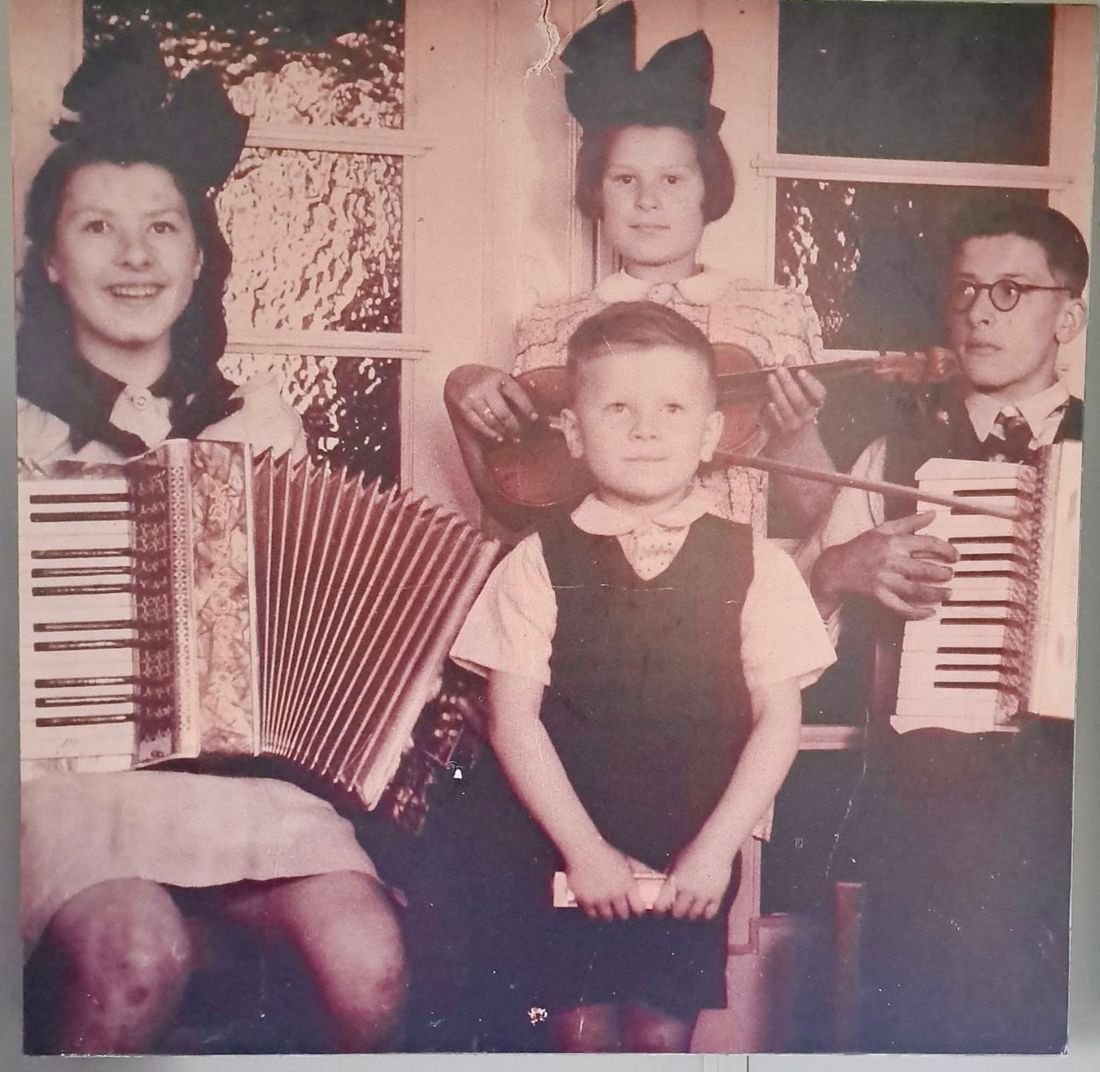
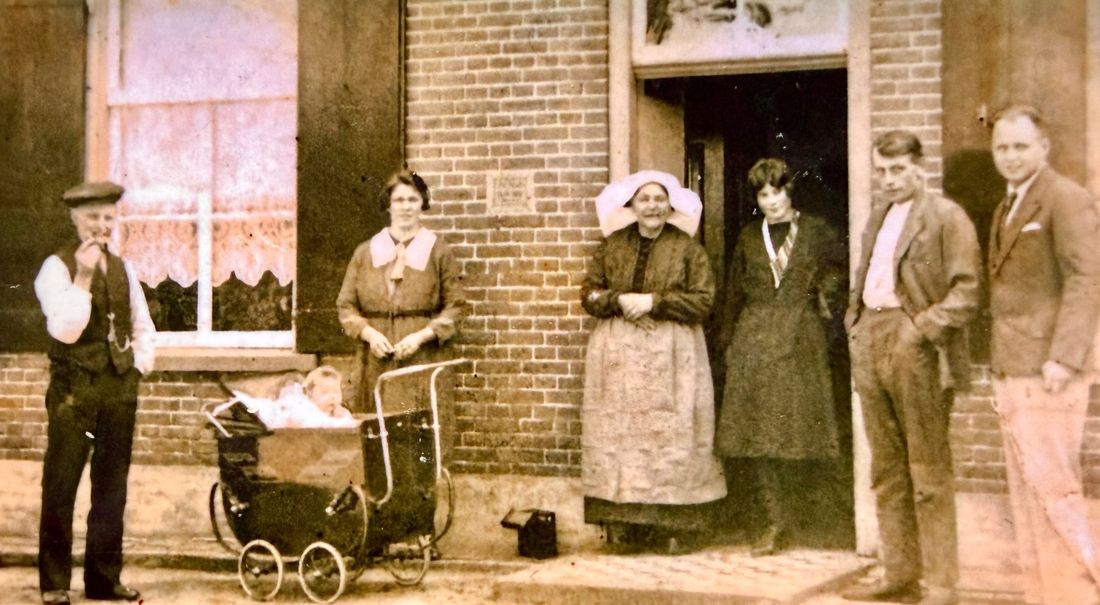
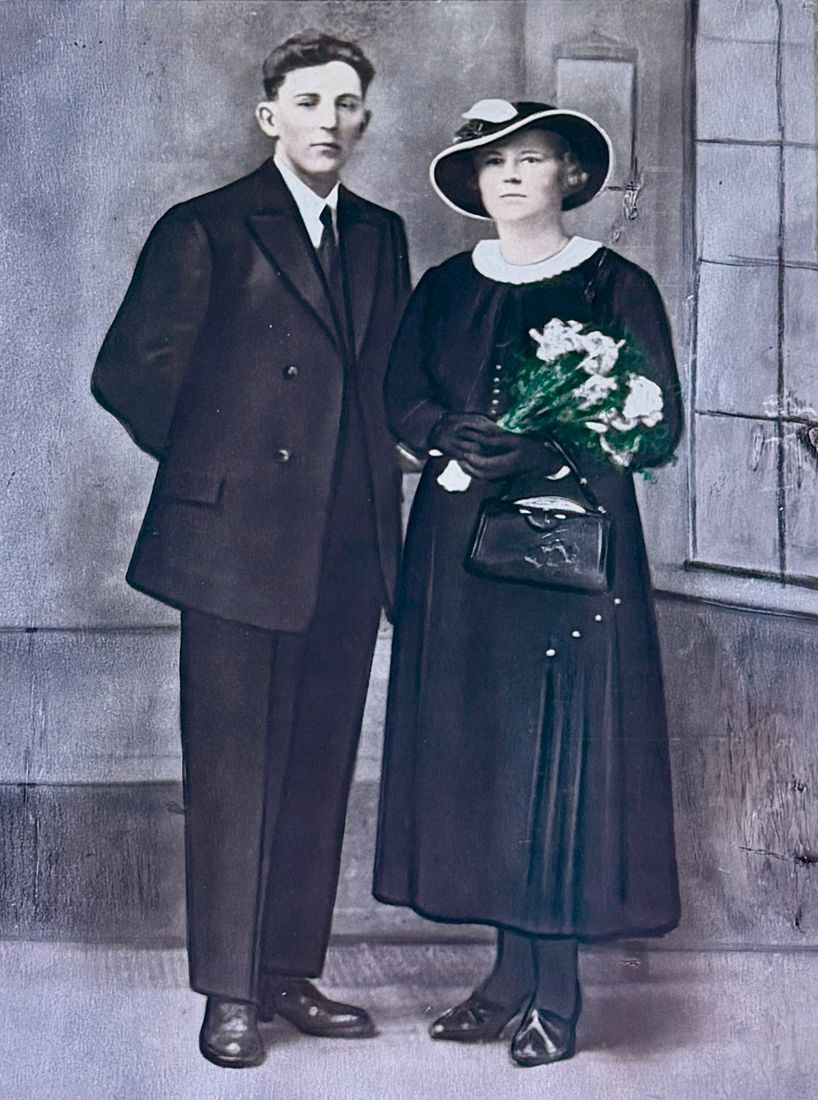
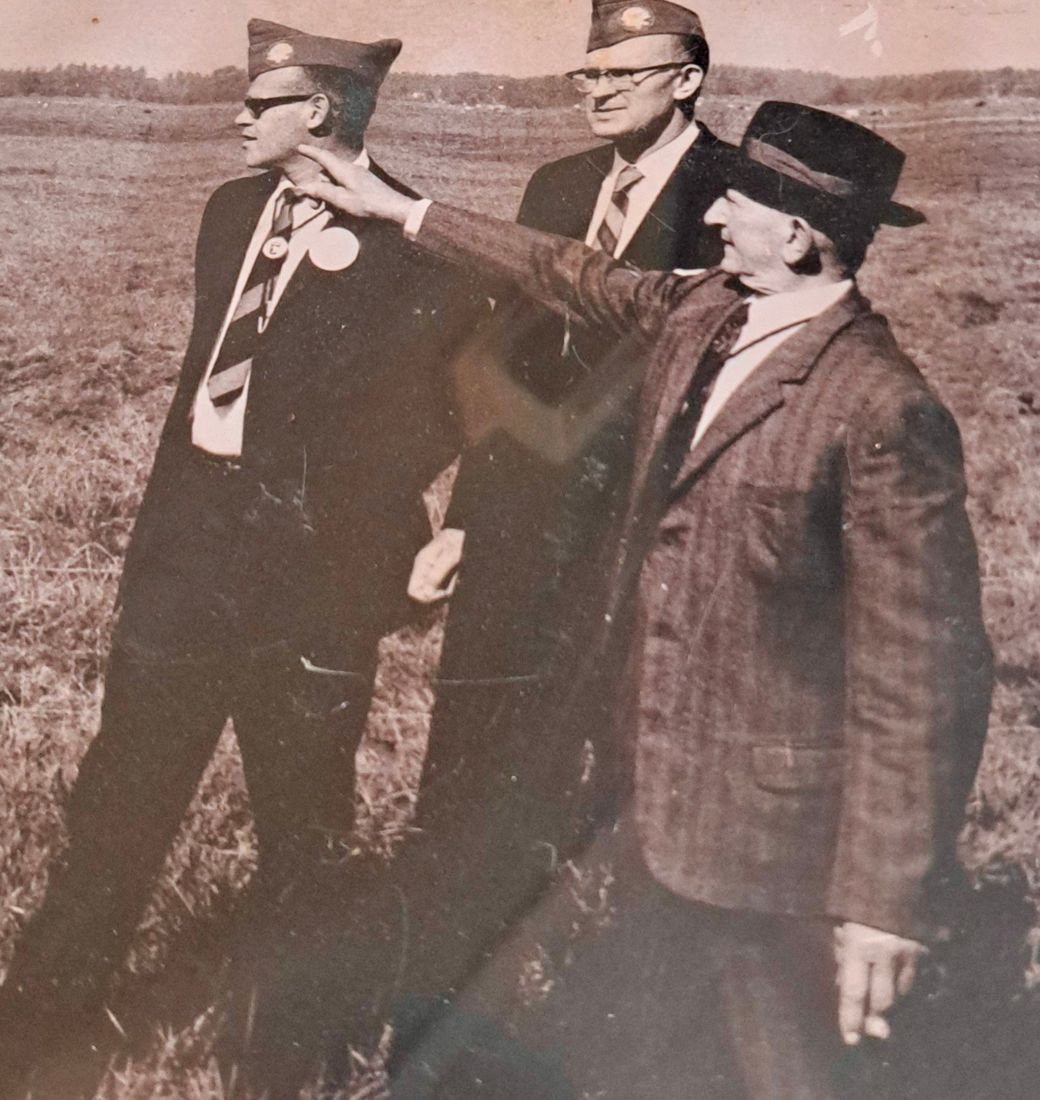
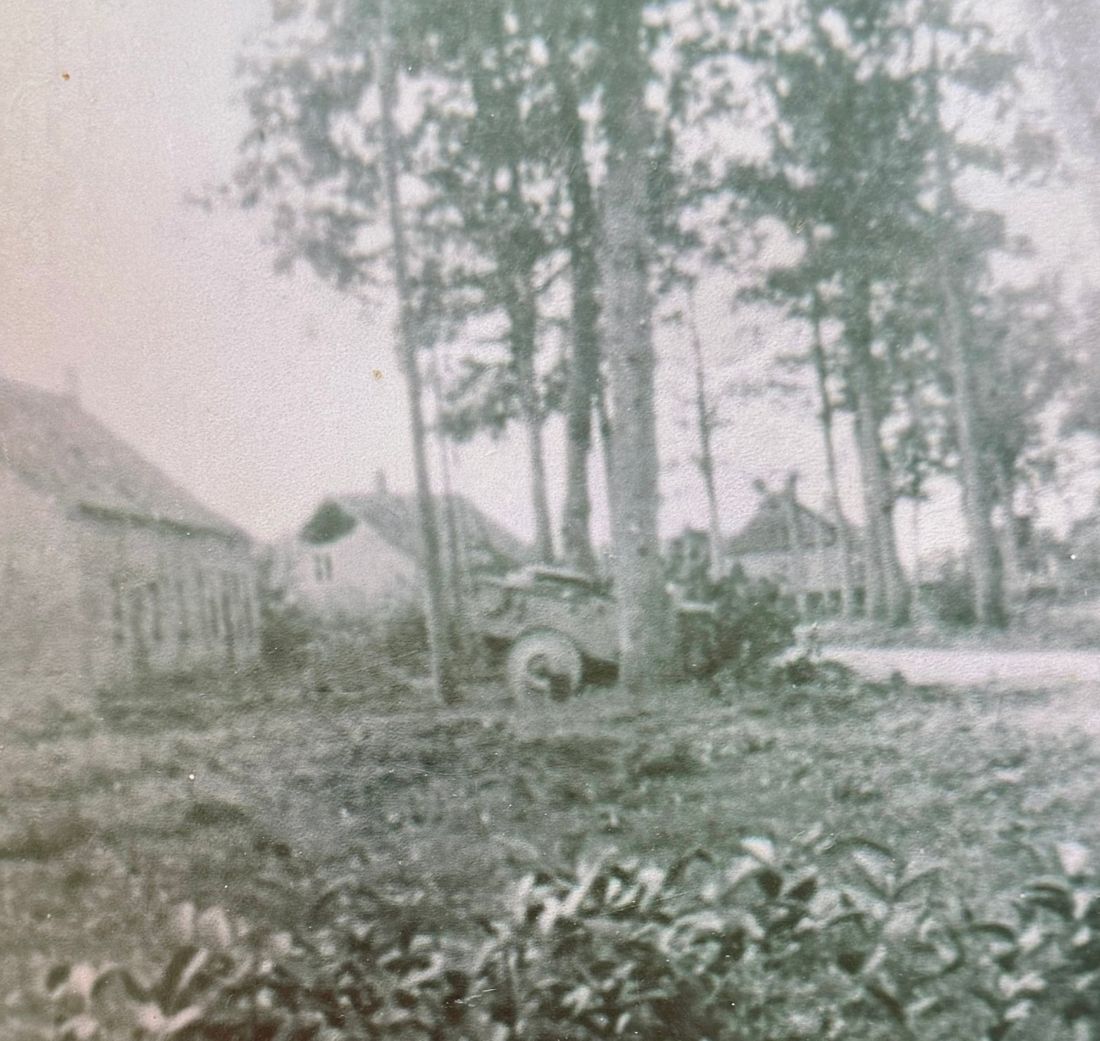
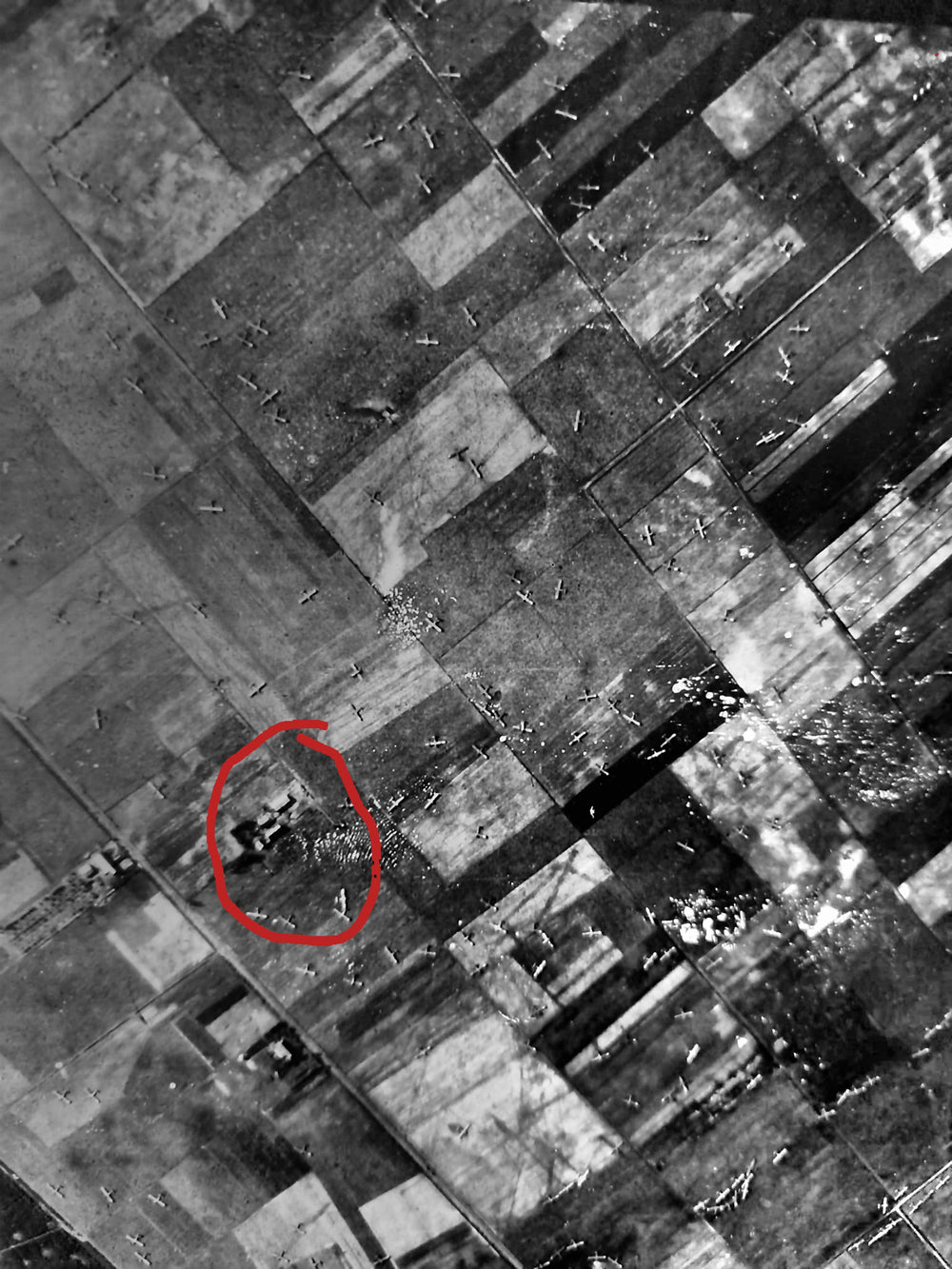
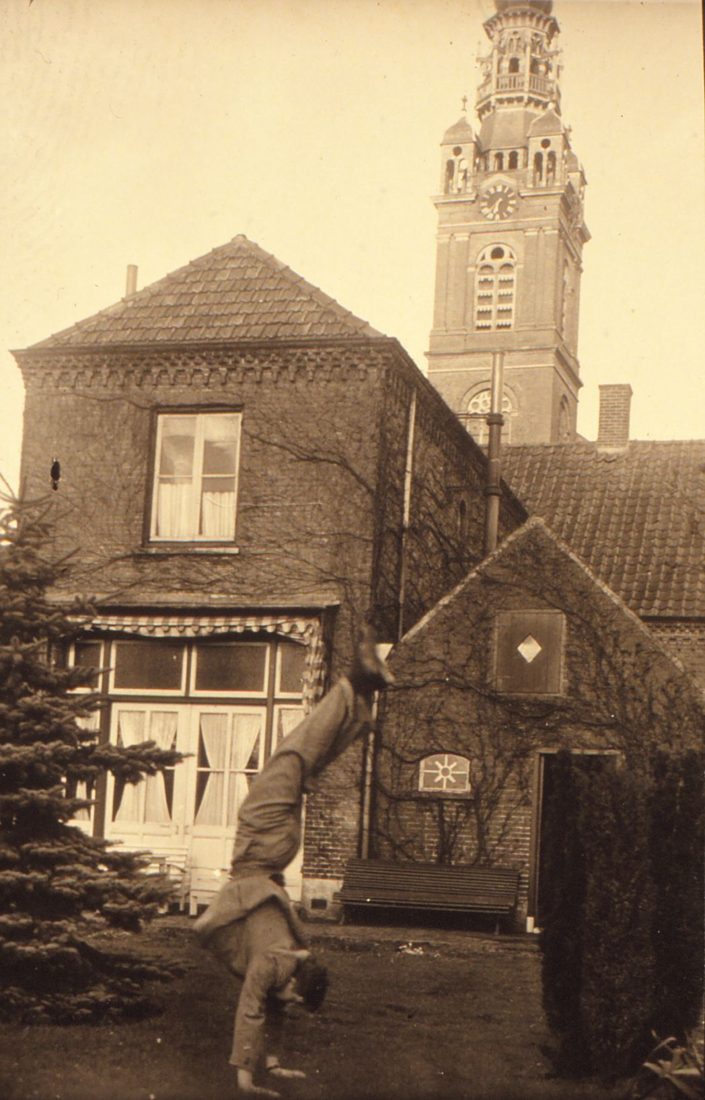
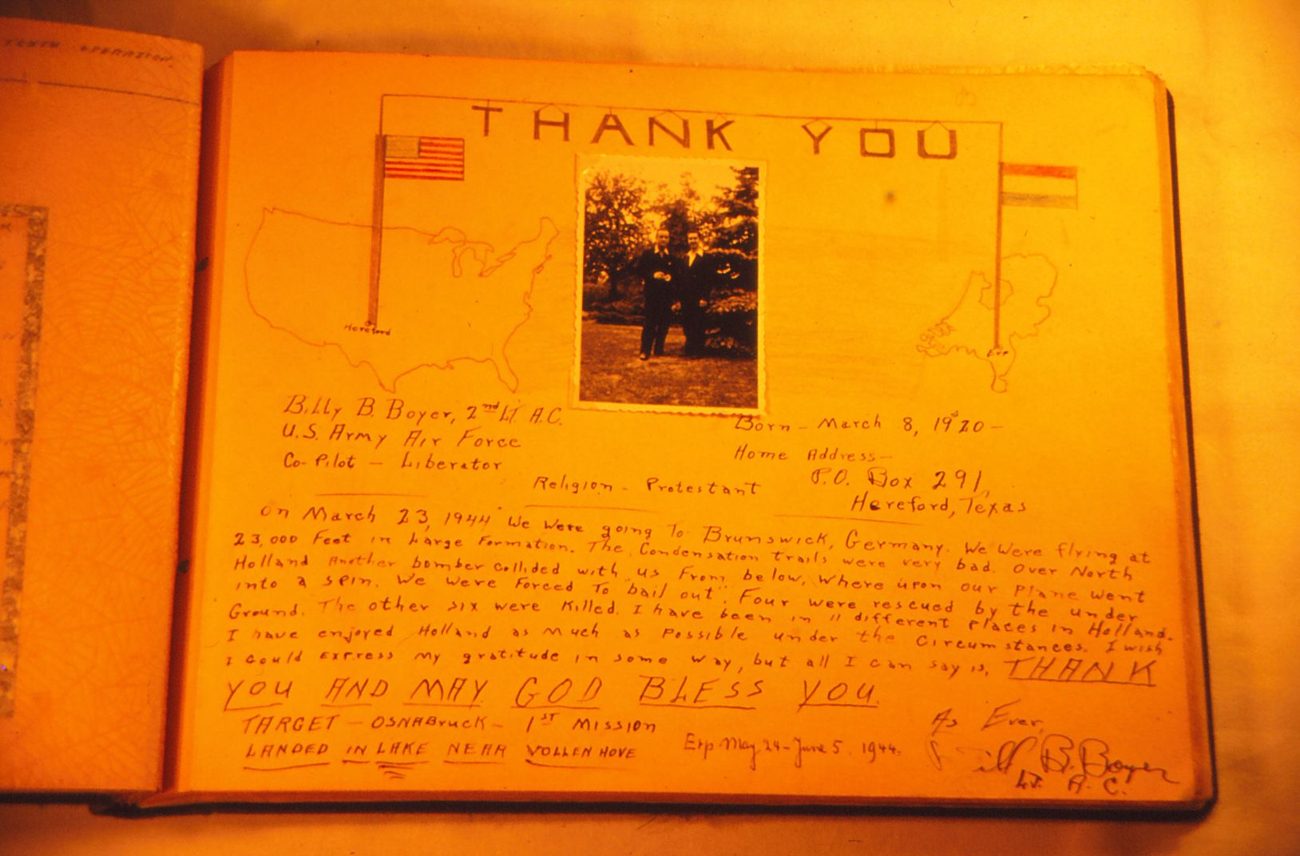
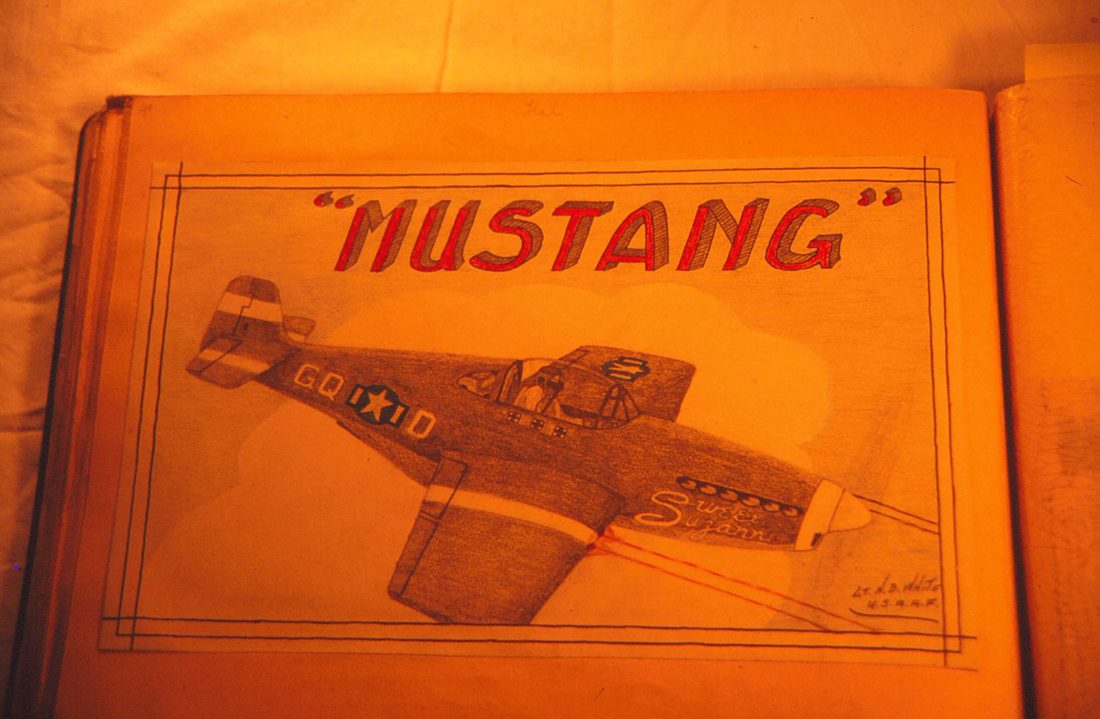
The witnesses and their families opened their albums to us. These photographs carry the story the film begins with: ordinary village life, then war arriving in the fields.


Eighty-two years later

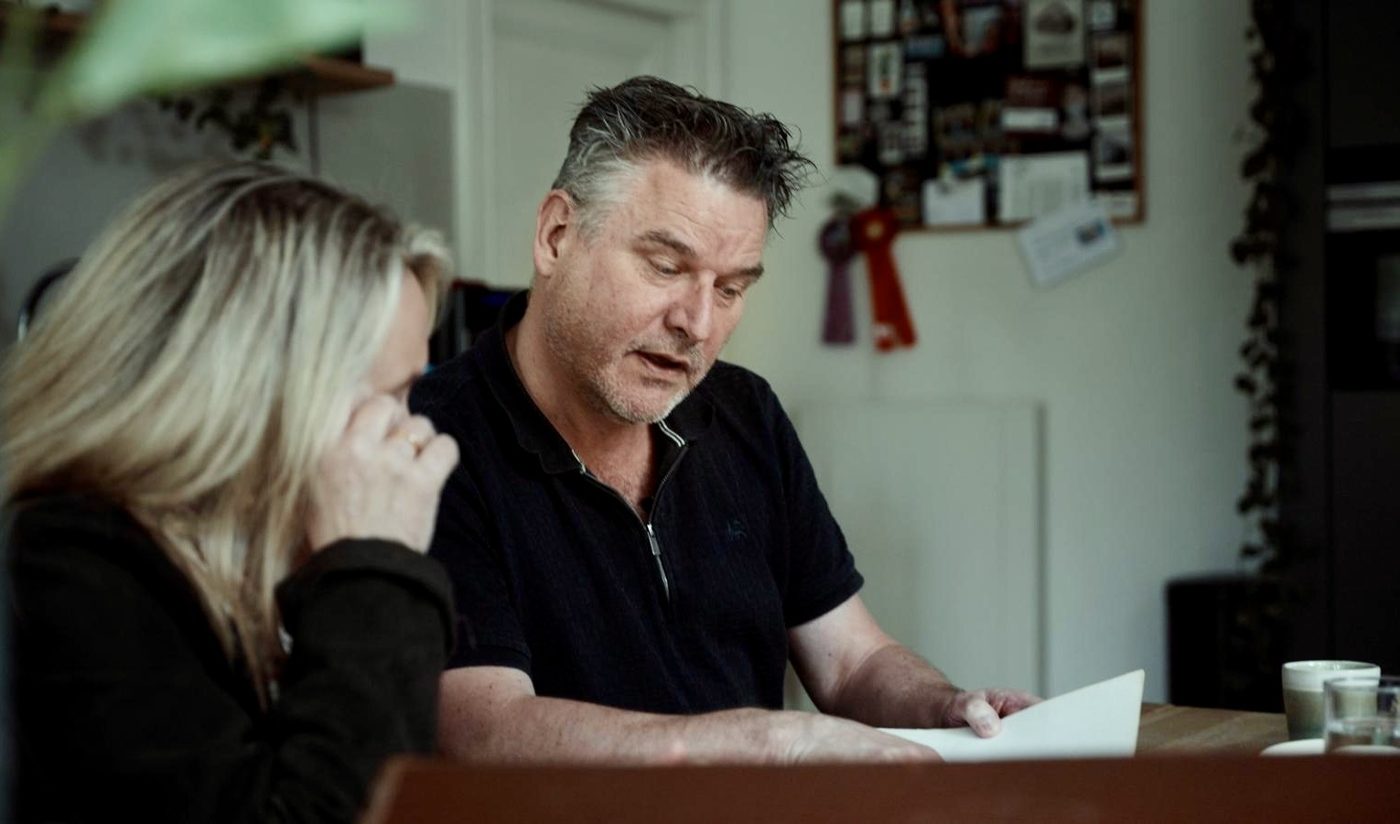
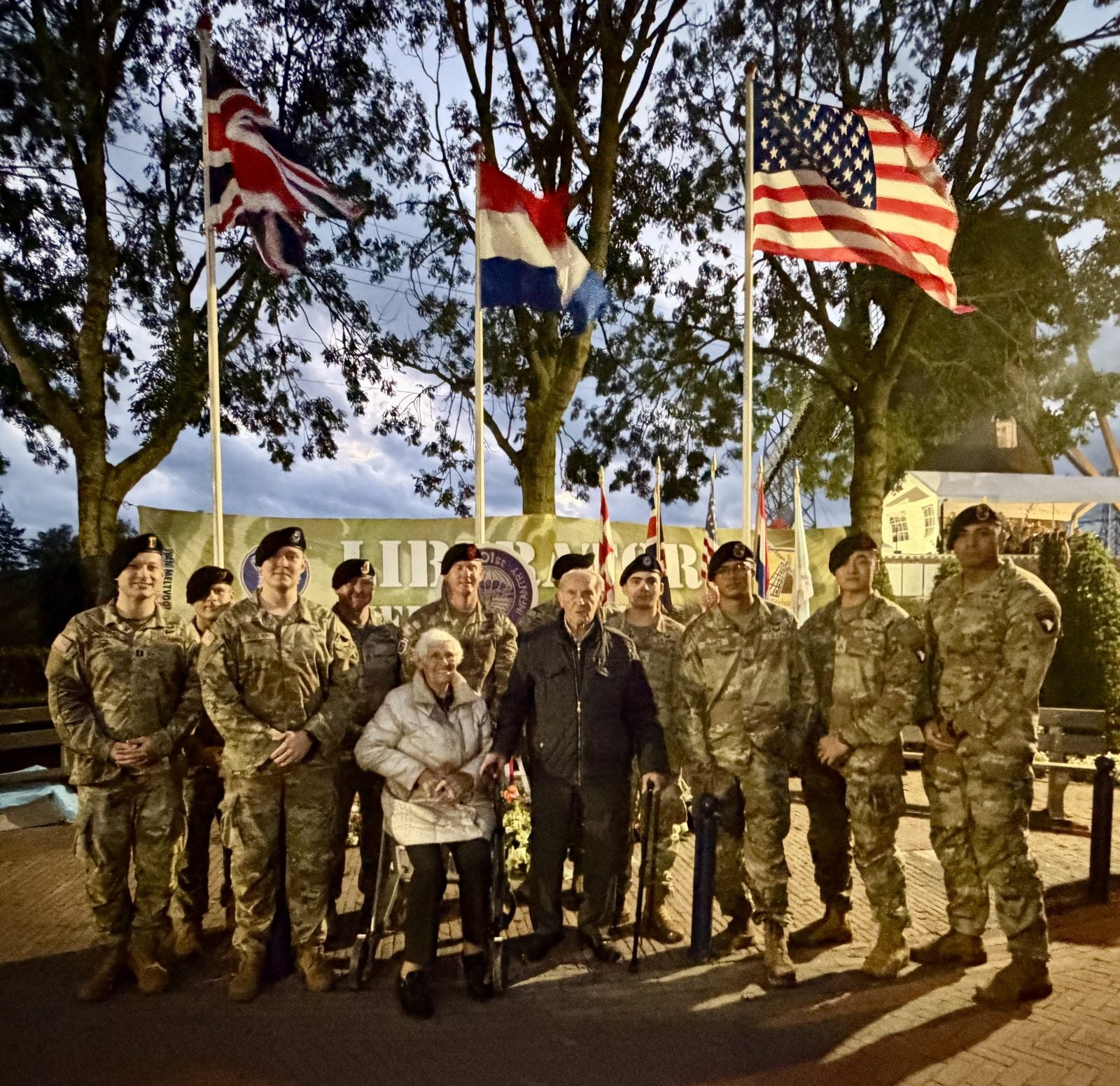
Adriaan van Hooft had never spoken with soldiers of the division that liberated his village. These soldiers had never spoken with anyone who survived Market Garden.
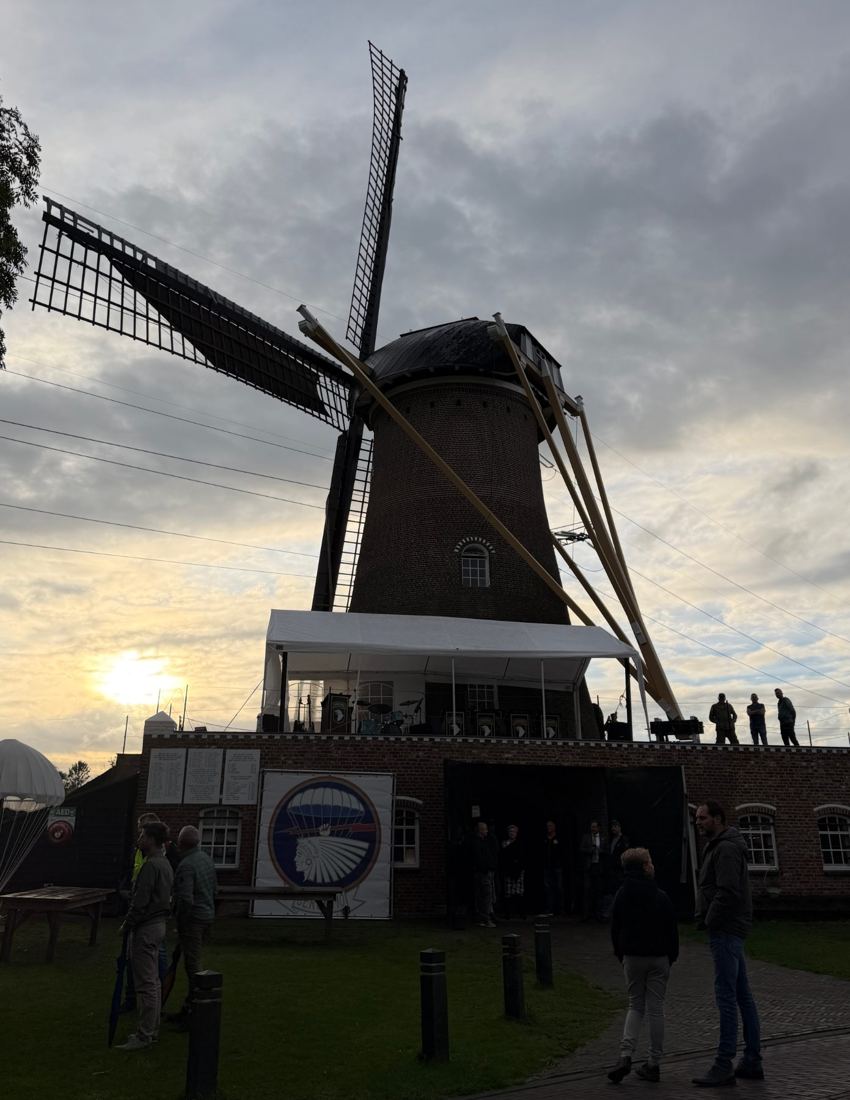
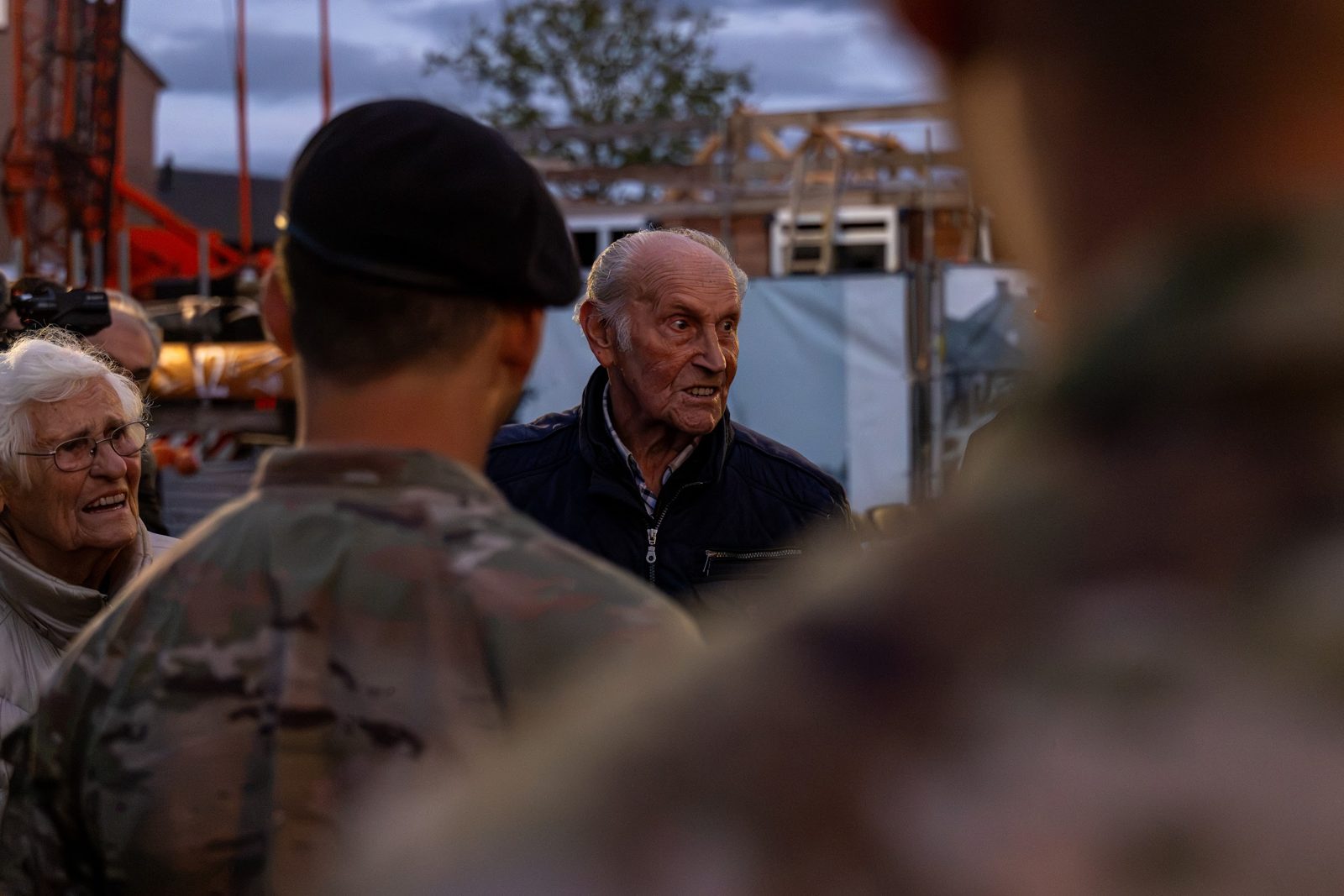
In September 2026 they met at the Eerde windmill, in the village where he grew up. A 90-year-old who was a boy when the 101st came, face to face with young paratroopers who wear the same patch. For both, it was a first. It is the handover the film is about, happening in front of the camera.

The corridor
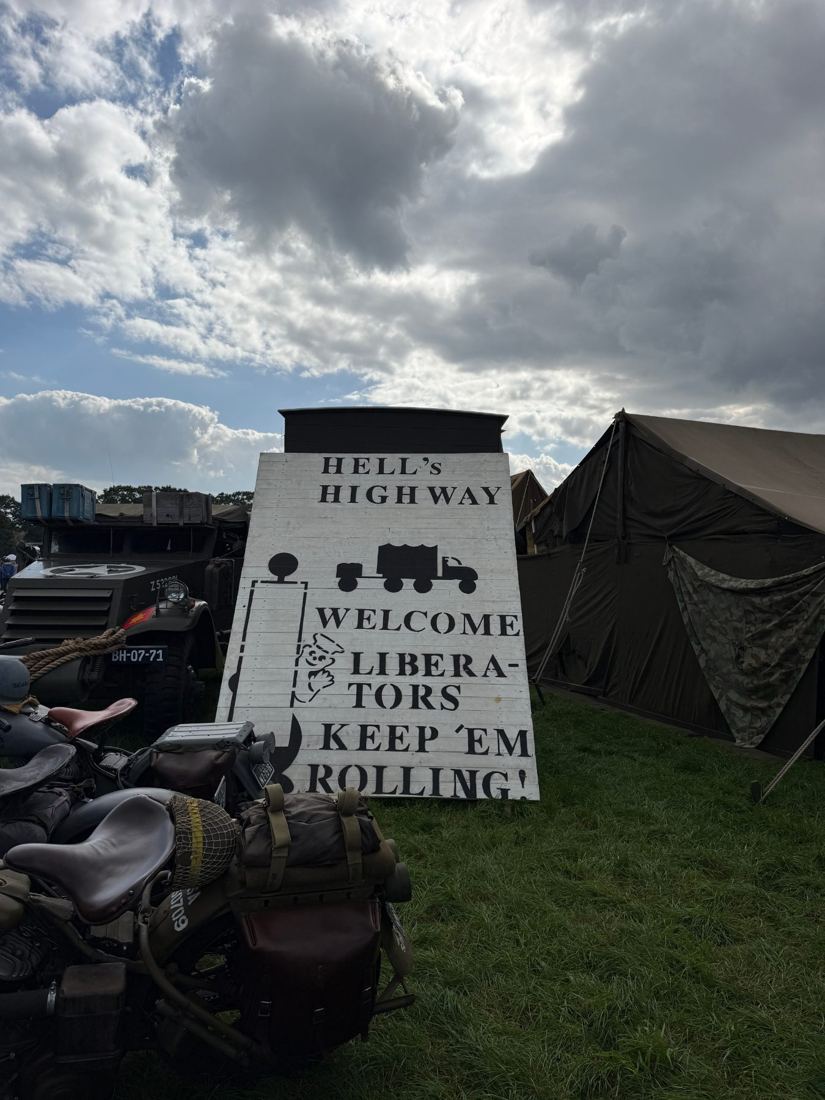
In September 1944 the 101st Airborne held a single road north through Noord-Brabant, the road its soldiers called Hell's Highway. In September 2026 we filmed along the same stretch. Select a place to see what happened there, then and now.
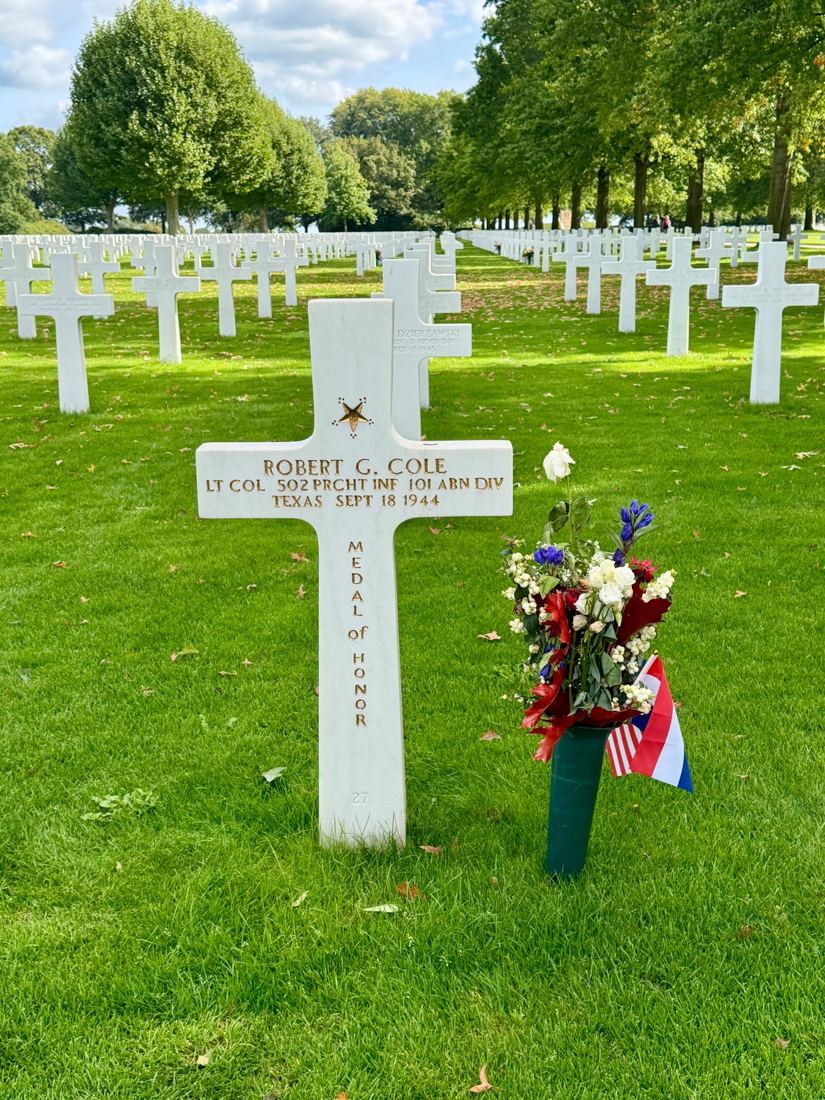
Margraten
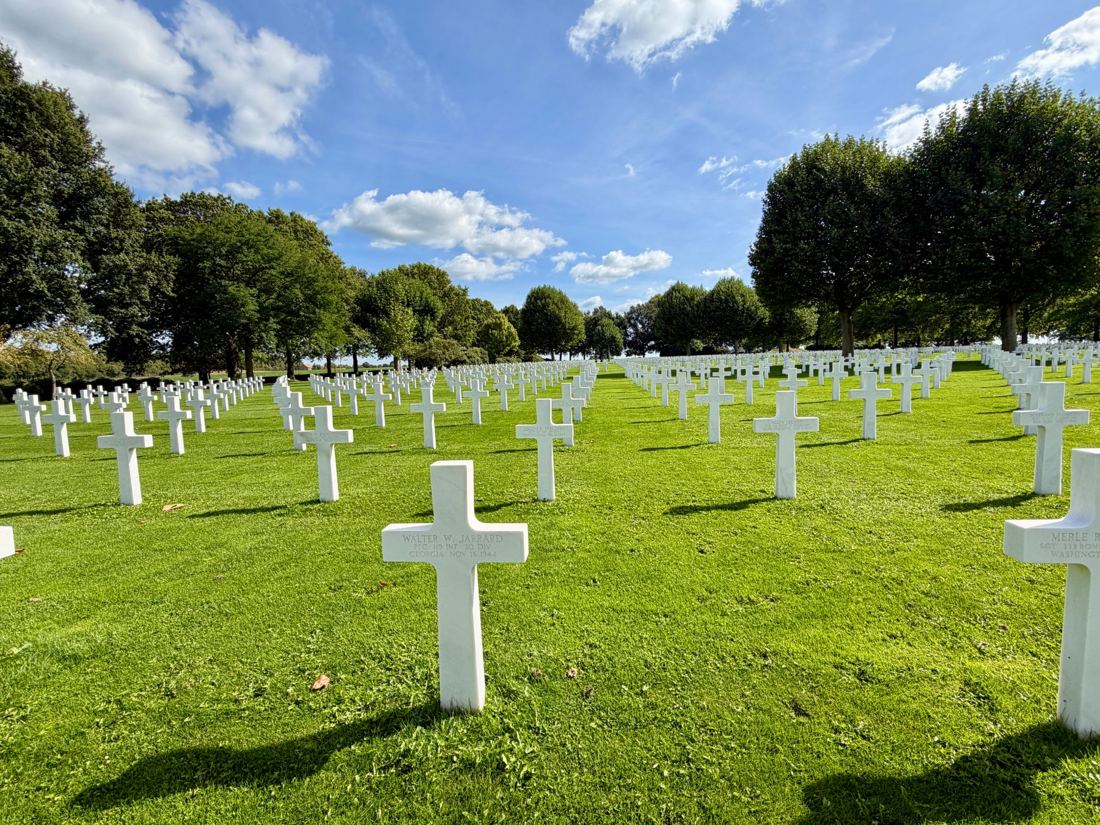
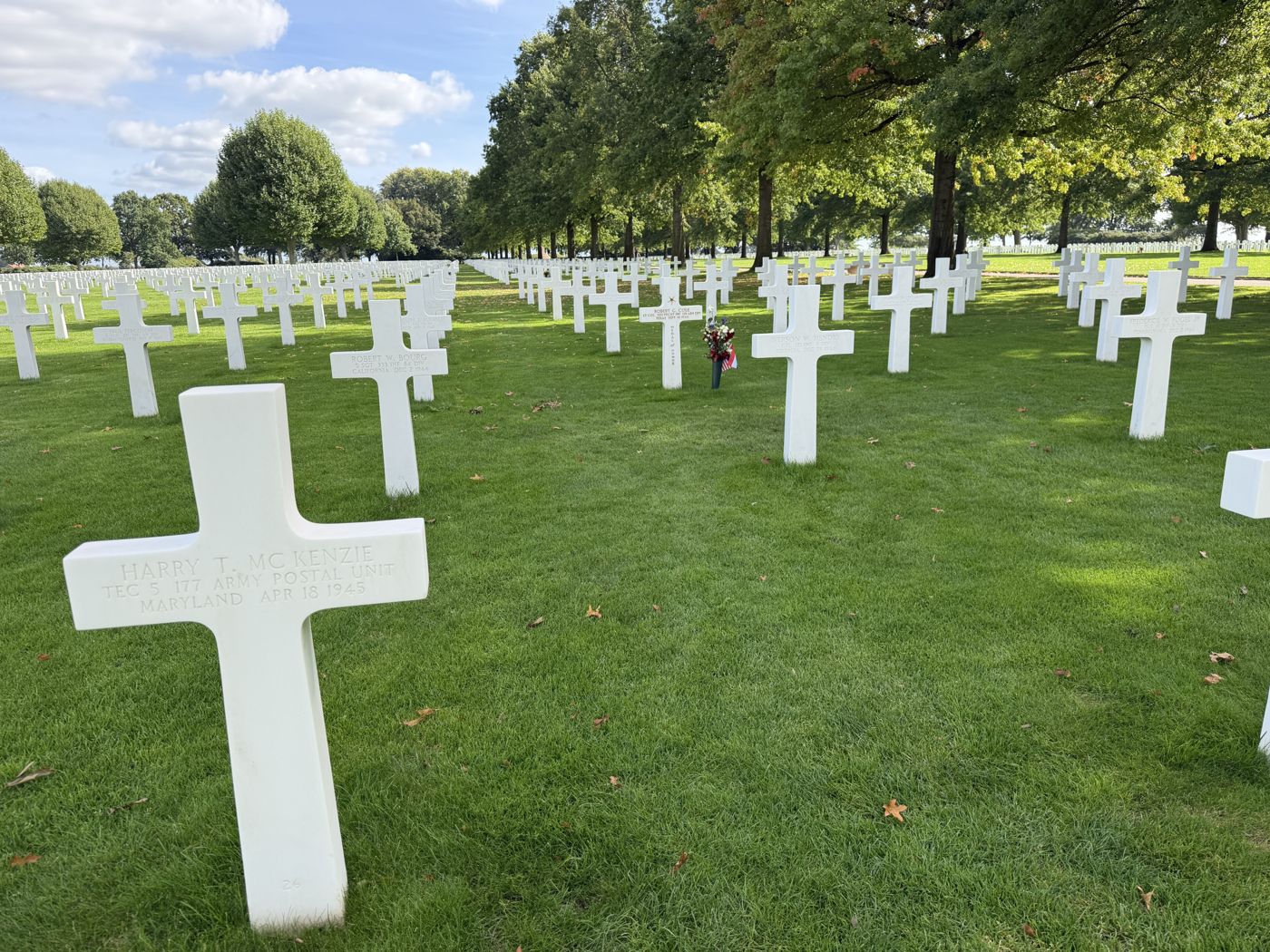
Each mark in the field is one grave. Families pass the adoption down through the generations. Remembrance here is not a hope that young people will care. It is an assignment, accepted and handed on.

Structure
The occupation, then the morning the sky filled with parachutes, and a week in which villages like Eerde changed hands again and again. Told by the witnesses, over the fields where it happened.
A plaque for a Polish pilot, identified eighty-two years after he fell. The windmill ceremony. Camp Liberty. The convoy, with the band playing all day from the back of a truck. The joy, before the weight of the graves.
Schoolchildren questioning soldiers. A grandfather walking his grandson across the field where the paratroopers came down. Families who adopt graves and pass them on.
Margraten. The question asked of everyone in the film. Pierre Rieu and the tank with the knotted barrel. Remembering is not the end of the duty. Keeping the peace is.
The people

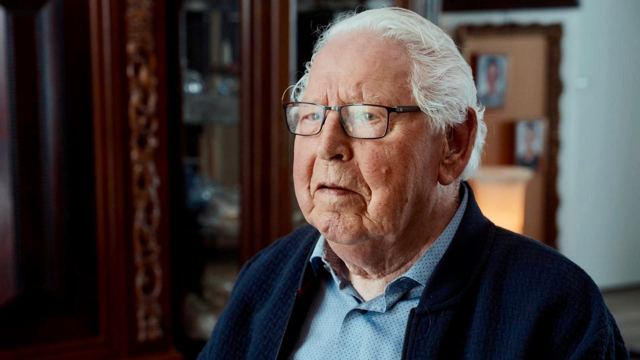
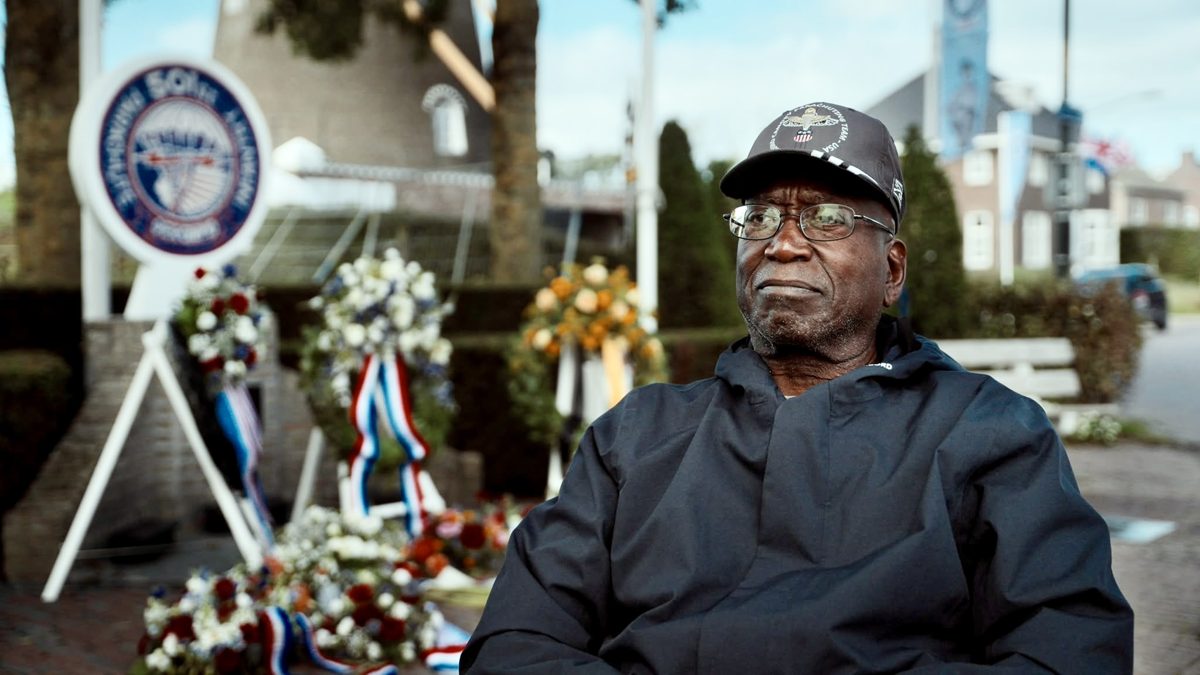
The oldest witness and the closest to the landings. He saw the paratroopers come down and lived through the battle as his village changed hands.

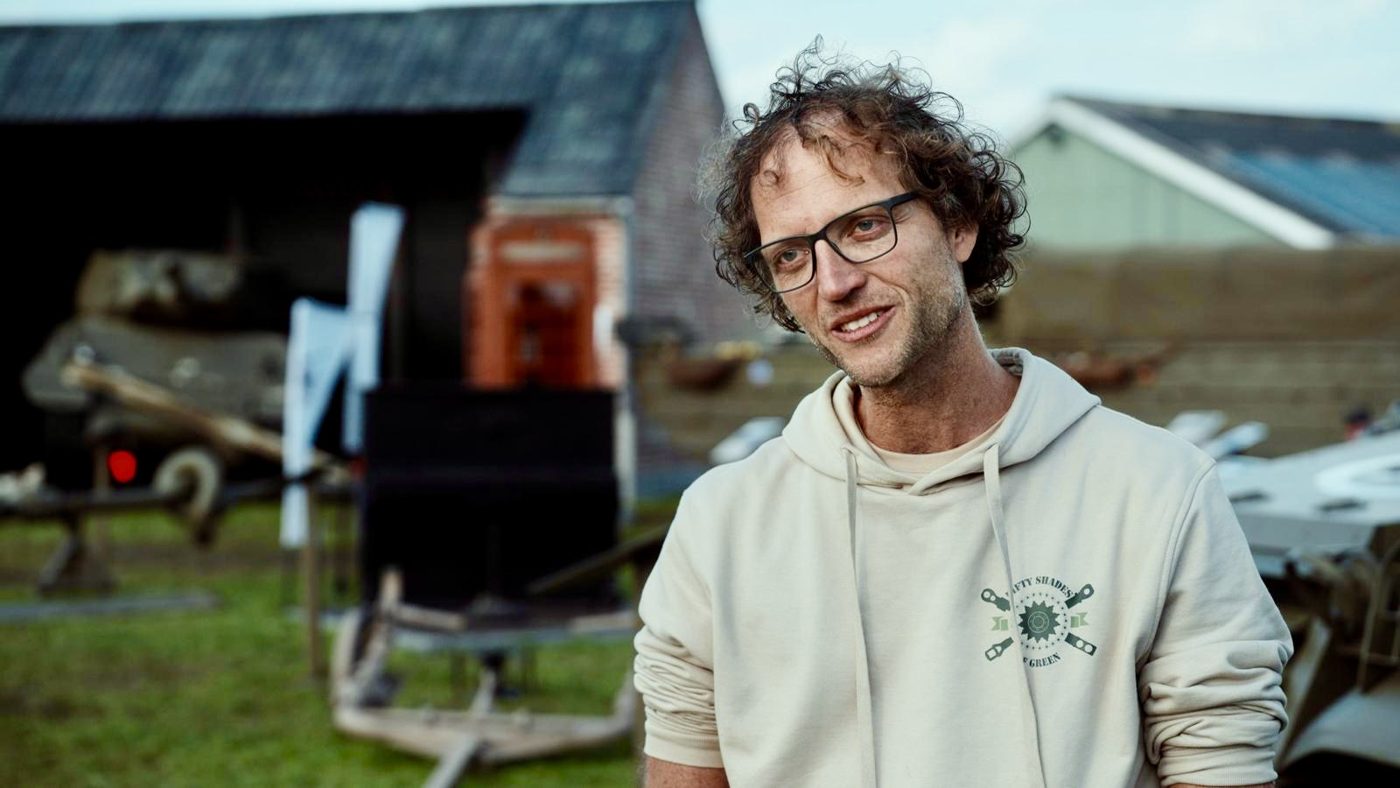
A farm boy in a village that changed hands again and again in one week. In September 2026 he spoke with soldiers of the 101st for the first time.


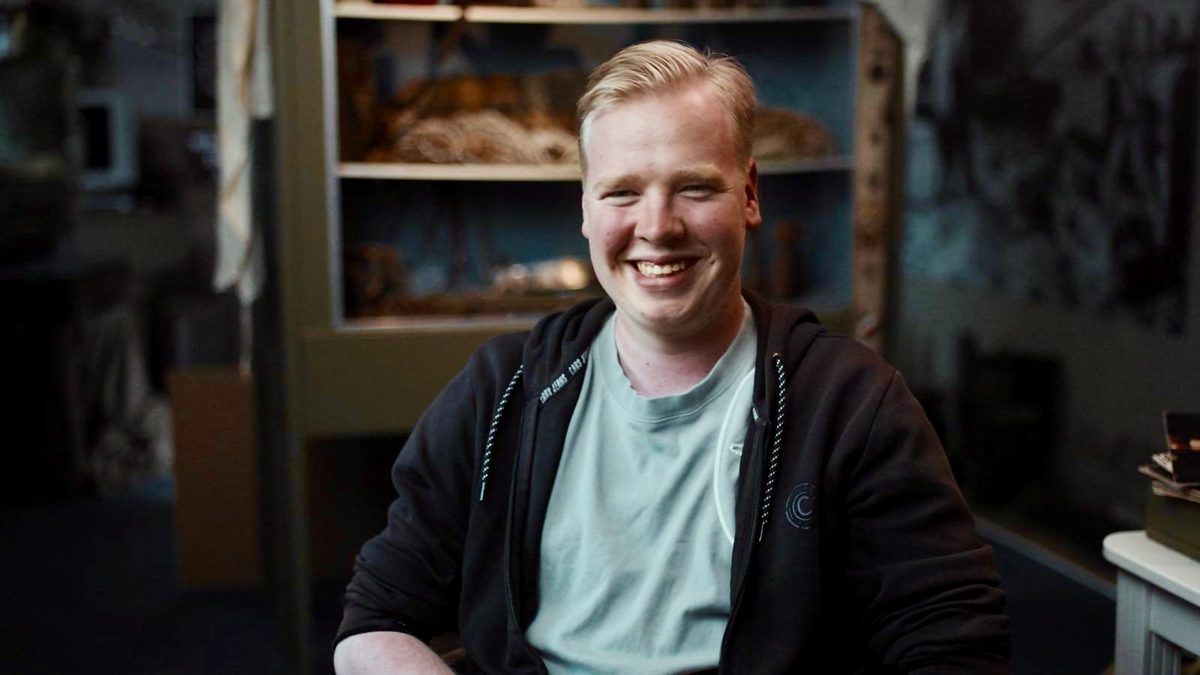
Wan watched the paratroopers from the Paulushoef, where he built his own museum. A walk across his field with his grandson is the handover between generations, on camera.

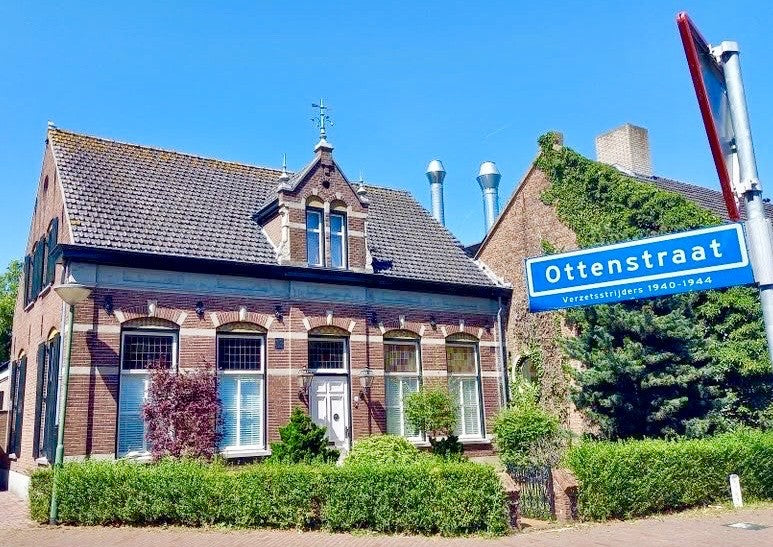
Owner of a house where airmen and others were hidden during the occupation. What it cost to shelter strangers.

The woman who makes the ceremonies happen and opened every door for this film. On convoy day, the joy of it caught even her by surprise.

The official voice of a municipality that treats remembrance as public duty.

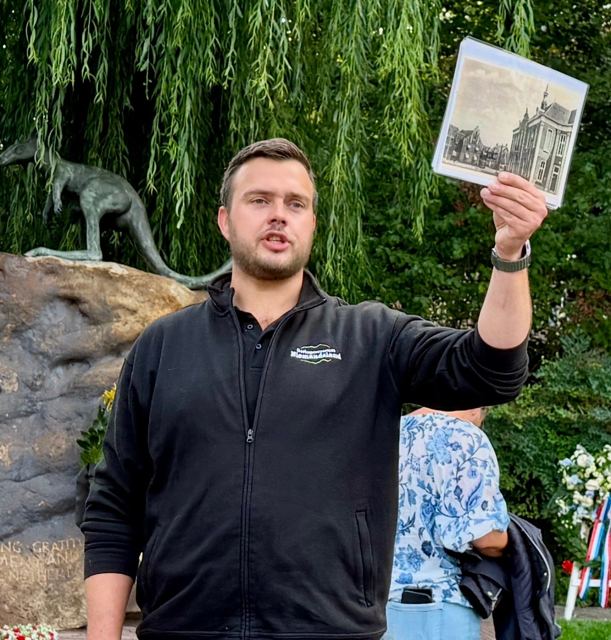
Ordinary Dutch men who give their time and restored vehicles so soldiers can see where their division fought.
The oldest pupils met American soldiers with questions they had prepared themselves, followed by a concert from the US Army band.
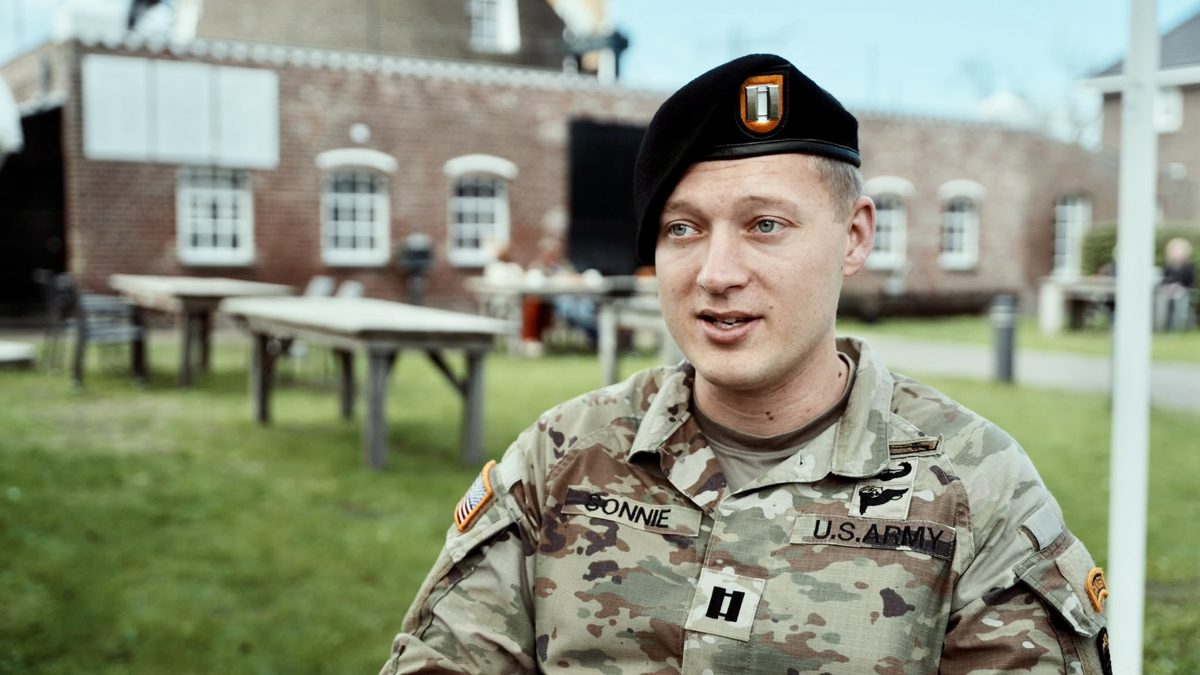
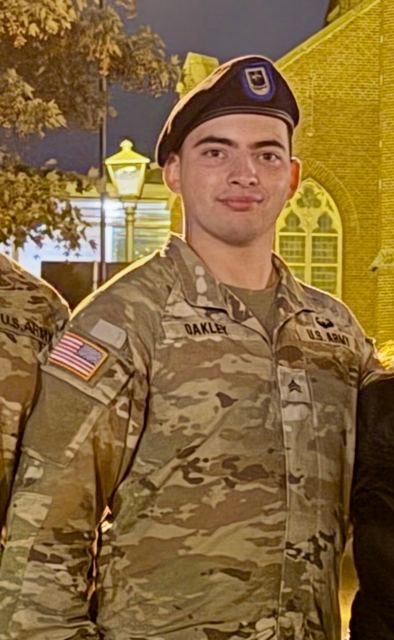
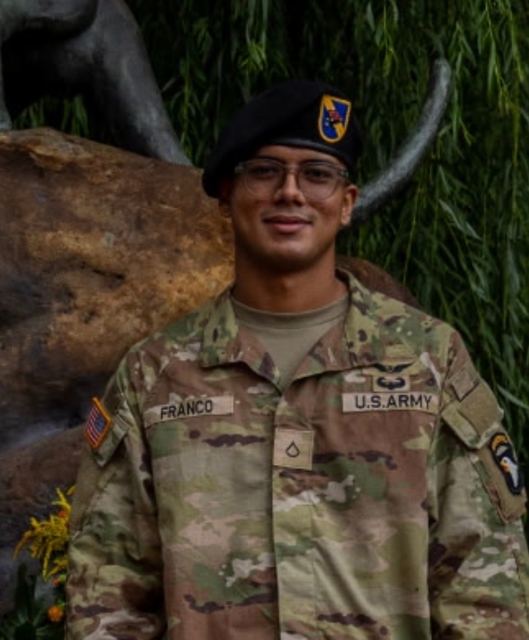
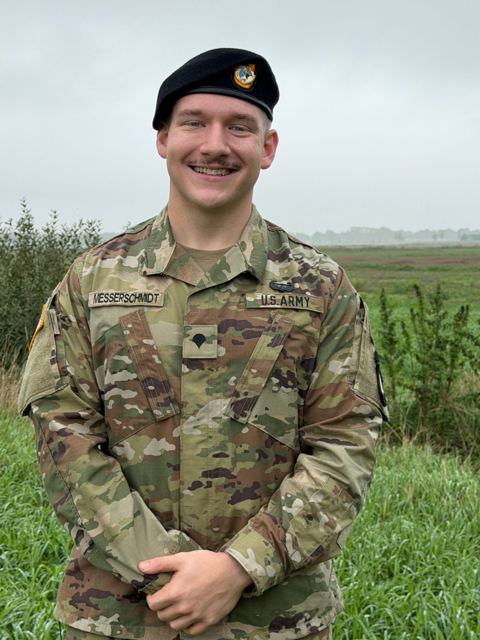
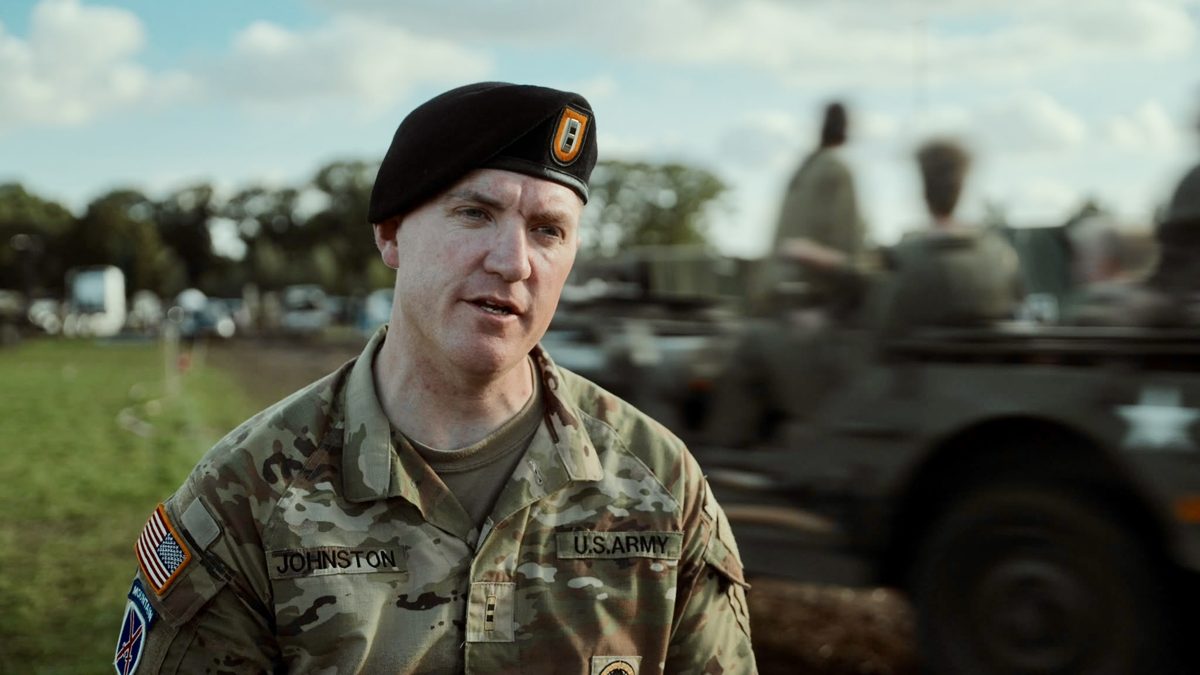
Soldiers, many overseas for the first time, thanked and hugged by people not yet born when their division fought here. They told Christian they were overwhelmed, humbled, and that they felt loved.


Interviewed at the Veghel commemoration.

At the Eerde windmill.

At the windmill commemoration.

At the windmill commemoration.

At the windmill commemoration.

The band played all day from the back of a truck on convoy day.

With the band at the Edith Stein School concert and the commemorations.
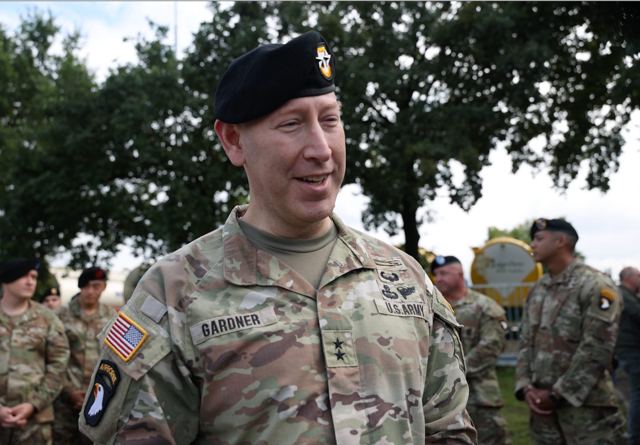
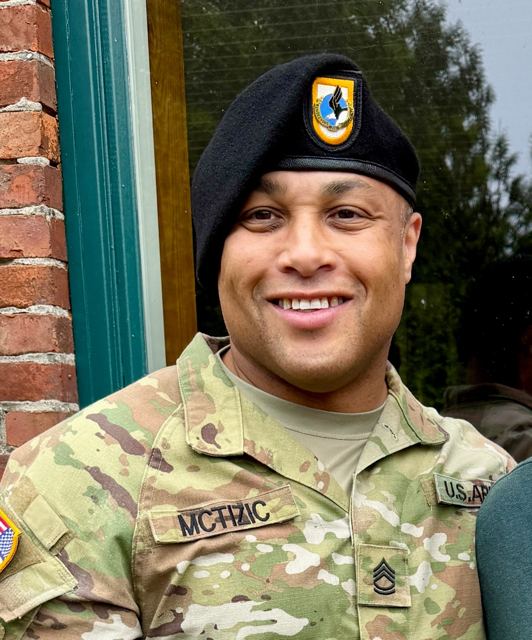
Son of a WWII veteran and a former 101st paratrooper himself. The bridge between the young soldiers and the men they honor.

The bridge forward
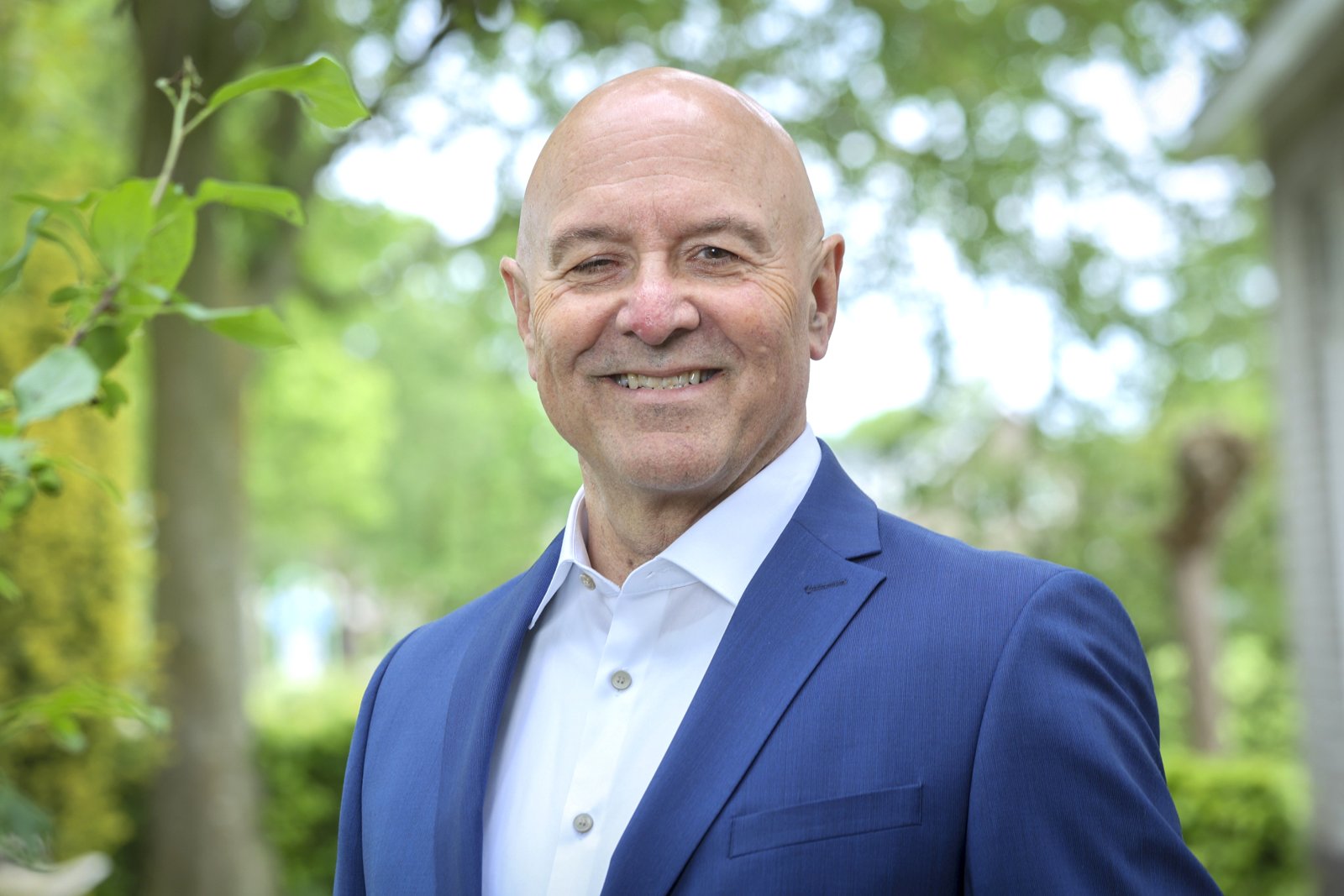
A Maastricht businessman, general manager of André Rieu Productions, and a lifelong student of the war whose family history runs through the Dutch resistance. His campaign starts from a simple observation: calling to stop the war means it is already too late. Peace has to be kept before it is lost.
He had a knot tied in the barrel of a restored American tank so it can never fire again. The survivors tell us what happened. The keepers show us how to remember. Pierre tells us what remembering is for.
The question at the heart of the film
Throughout the week, Christian asked everyone the same question: how important is the alliance between our two countries, and is protecting it a way of honoring the people who died for our freedom?
The answers came back strikingly alike. The Dutch civilians who lived it, the officials who keep the memory and the American soldiers who received their thanks all said the alliance between the United States and Europe was bought at a terrible price and cannot be taken for granted. Pierre Rieu put it most bluntly: if we cannot preserve the peace they won, we dishonor every soldier who died for it.
Dutch families who had felt uneasy about the state of the transatlantic relationship told Christian that meeting the young soldiers of the 101st reminded them that the bond is between people, not only governments. As Christian puts it, those soldiers did more for international relations in one week than any diplomat could. Americans need to see that, and very few have.

They were freed so they might live free. Remembering them is a duty. Protecting what they won is how we repay it.
Where it stands
Eight days in Meierijstad and the corridor. About 3 TB, plus the 101st's own photos and video.
The Dutch interviews translated, everything transcribed.
Deciding who carries the film, and in what order.
With Jan Thijssen of Eendracht Films, our Netherlands production partner.
At the 85th anniversary of Operation Market Garden.
Planned for the 85th anniversary of the liberation of the Netherlands.
The filmmaker
Christian Taylor is a documentary filmmaker, voice actor and casting director with a career in entertainment spanning nearly four decades, and the host of the Documentary First podcast.
Her film The Girl Who Wore Freedom tells the story of D-Day through the eyes of the French civilians who lived it, and has screened in more than thirty countries. Her next film, Heroes of Carentan, returns to Normandy.
At screenings of The Girl Who Wore Freedom, Christian tells audiences that the gratitude they see in Normandy isn't unique to France. It can be found in every country in Europe that was liberated. So They Might Live Free is the first film to show it beyond France.
Partner with us
Translation, editing, music, archival licensing and the color and sound finish.
Tax-deductible giving will open once fiscal sponsorship is confirmed. Until then, get in touch.
A Dutch story told by the Dutch who lived it, made with a Netherlands production partner already in place.
From the director of The Girl Who Wore Freedom, screened in more than thirty countries. Timed to the 85th anniversaries in 2029 and 2030.
Commemoration committees, schools, museums and veterans' groups who want a screening or want to follow the film.